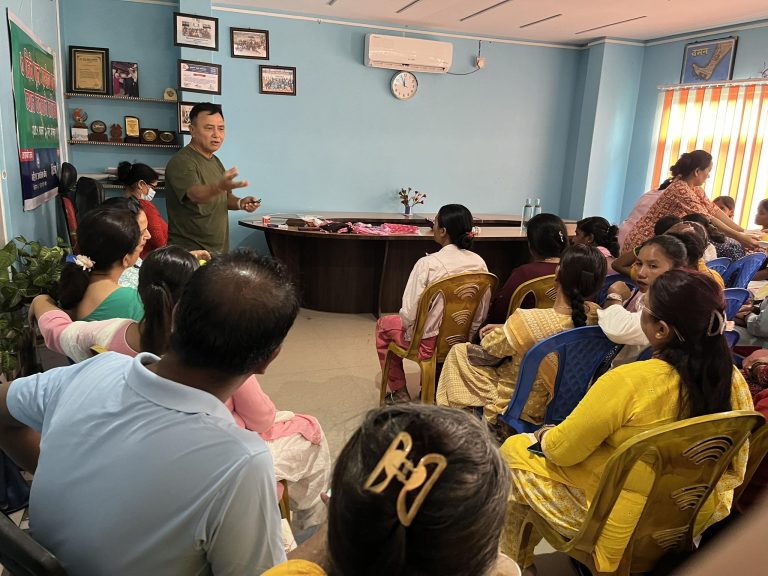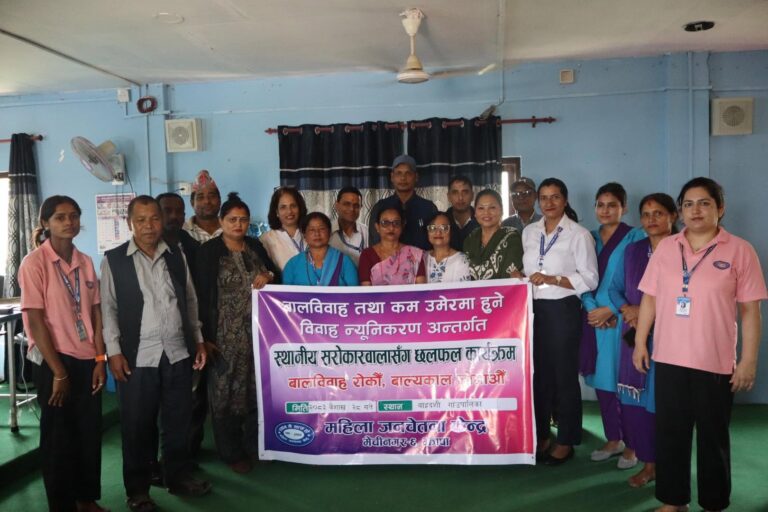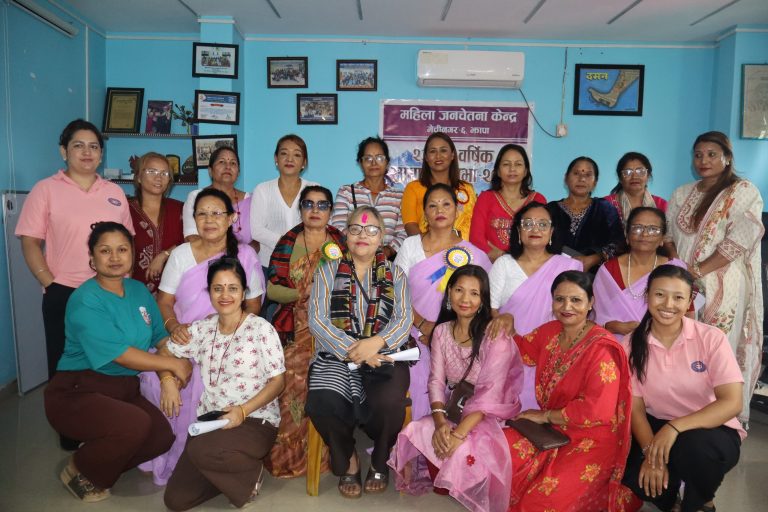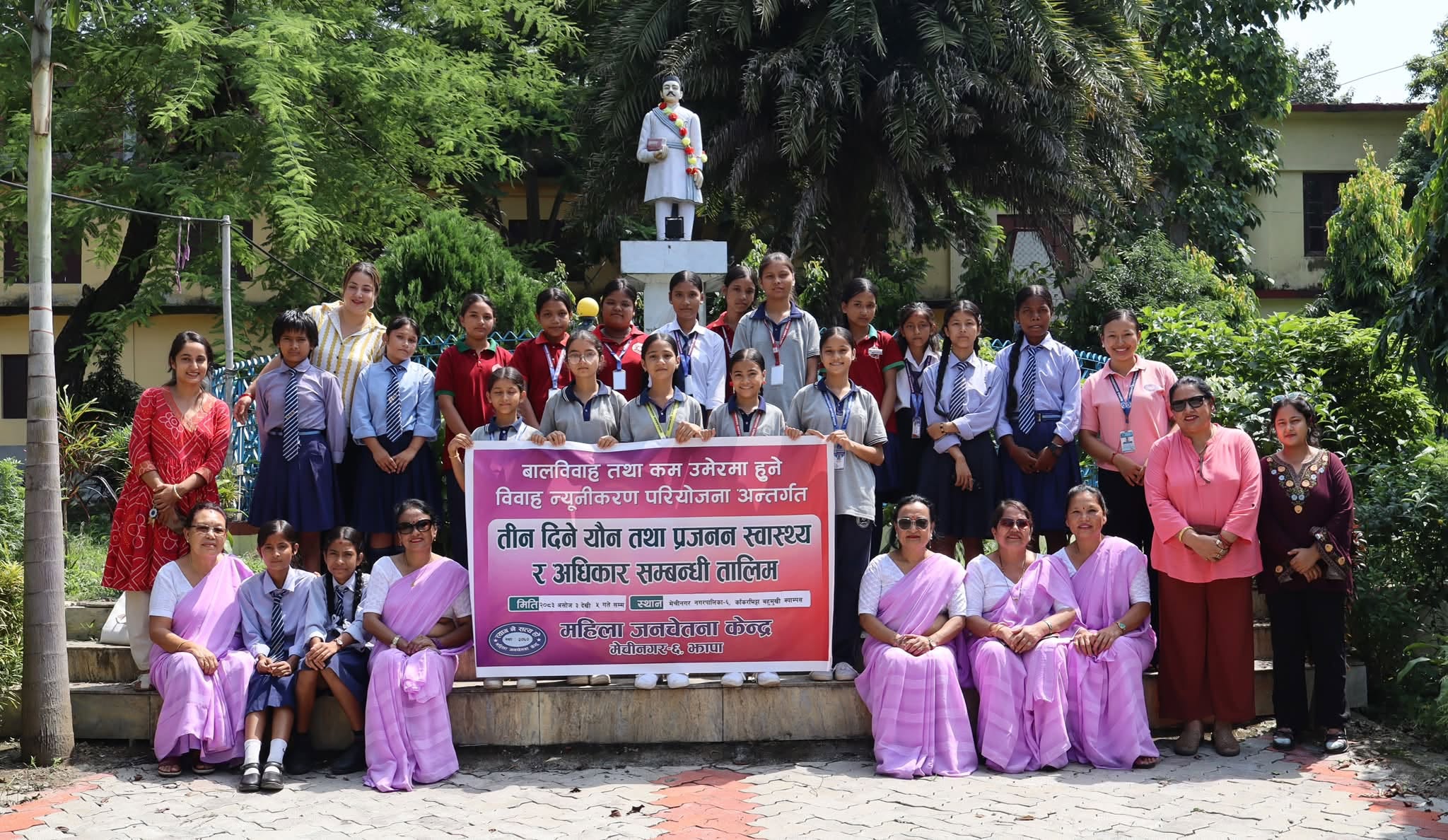
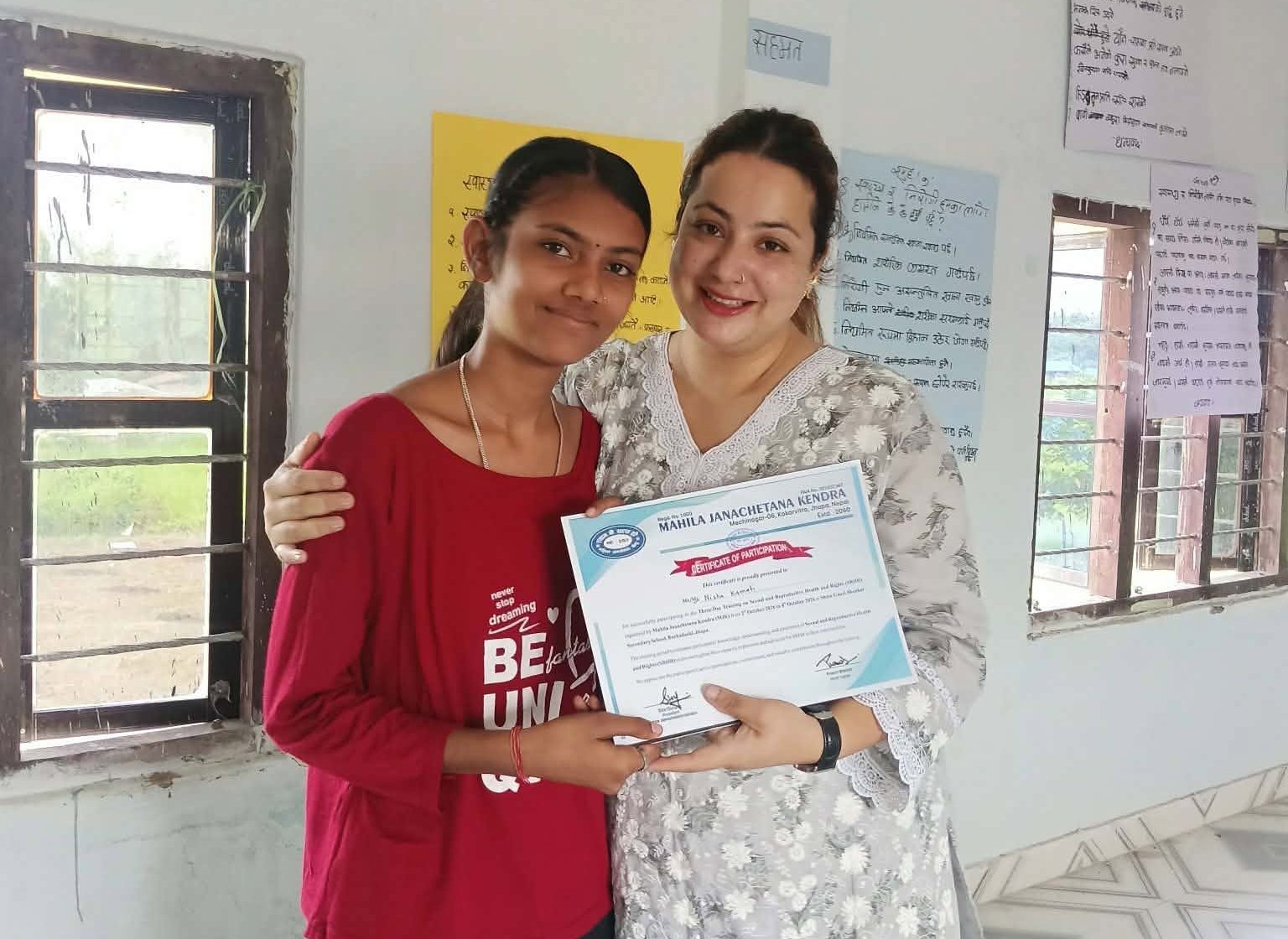
Sexual and Reproductive Health (SRH) is an essential pillar of overall health, well-being, and fundamental human rights. Believing that every individual has the right to accurate information, quality healthcare, and bodily autonomy free from coercion or discrimination, Mahila Janachetana Kendra (MJK) recently organized a series of comprehensive Sexual and Reproductive Health and Rights (SRHR) Training sessions.
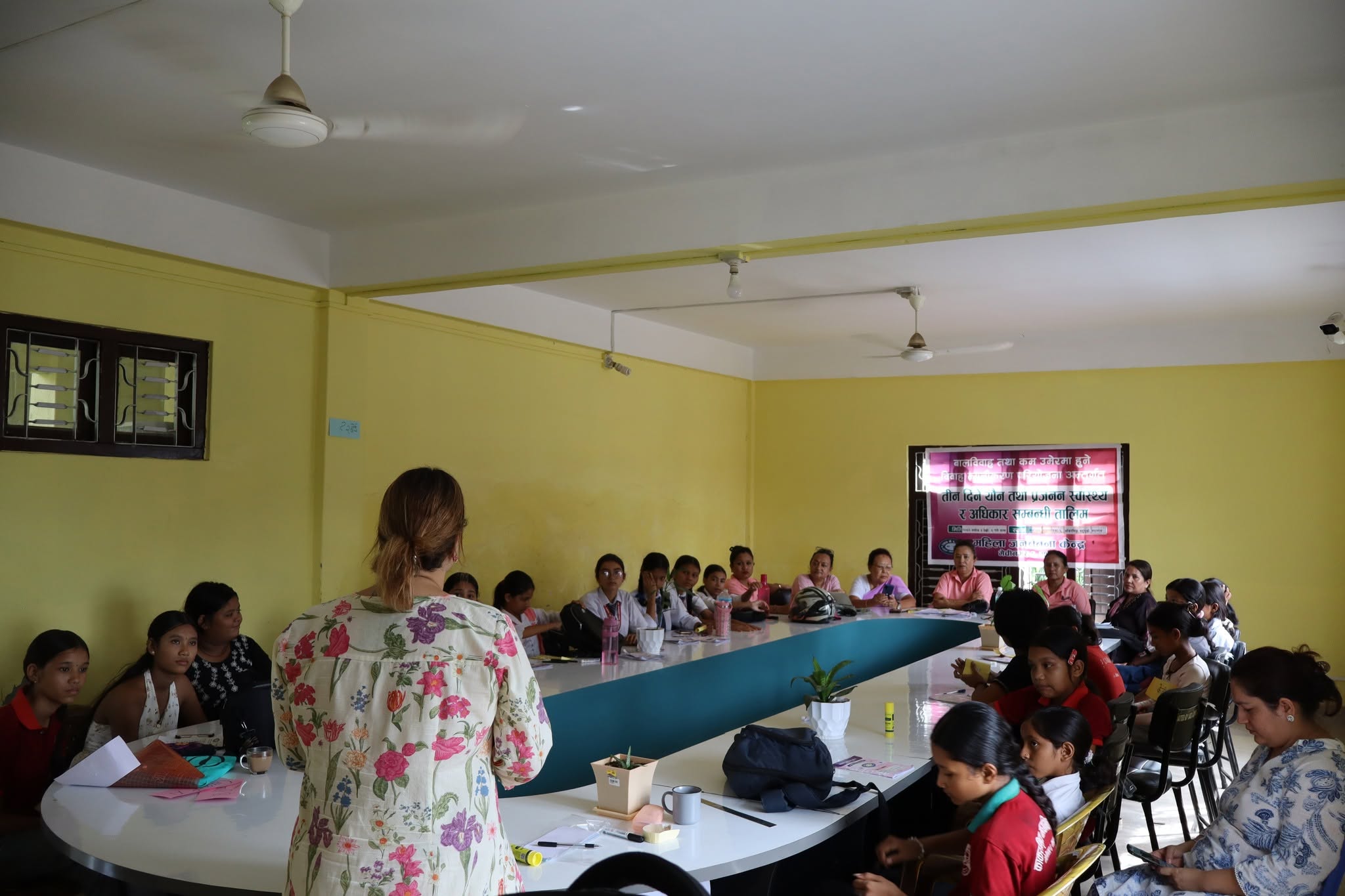
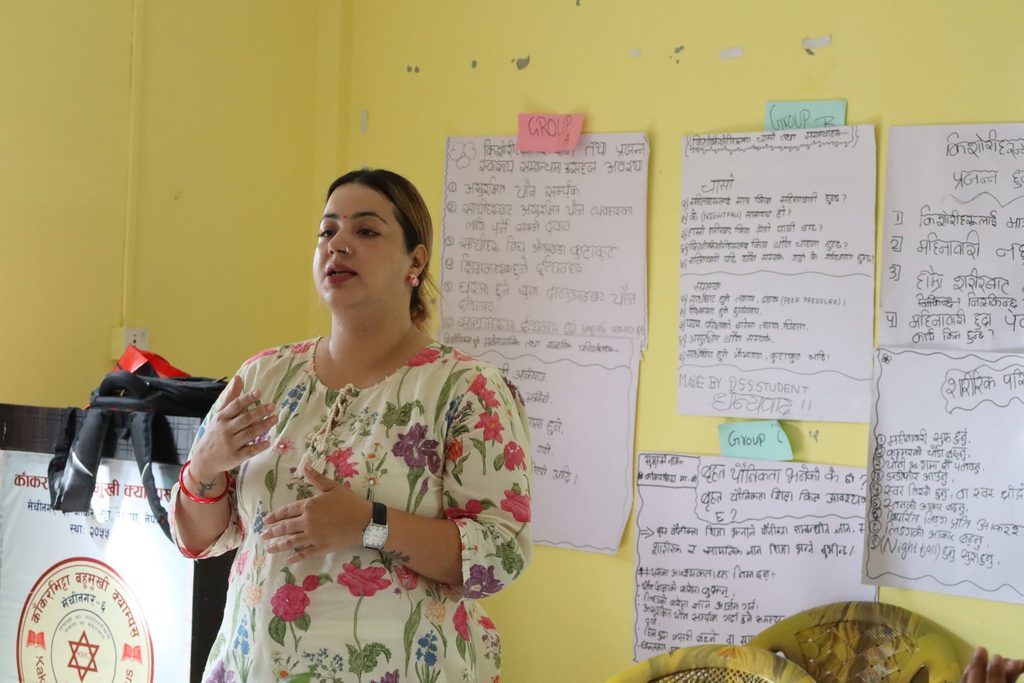
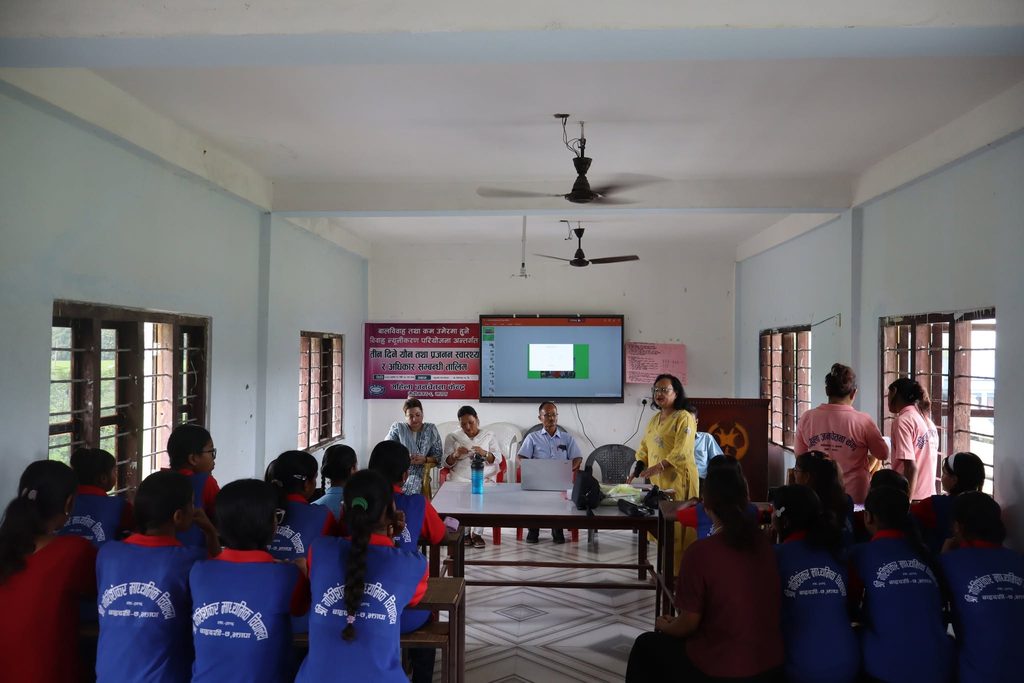
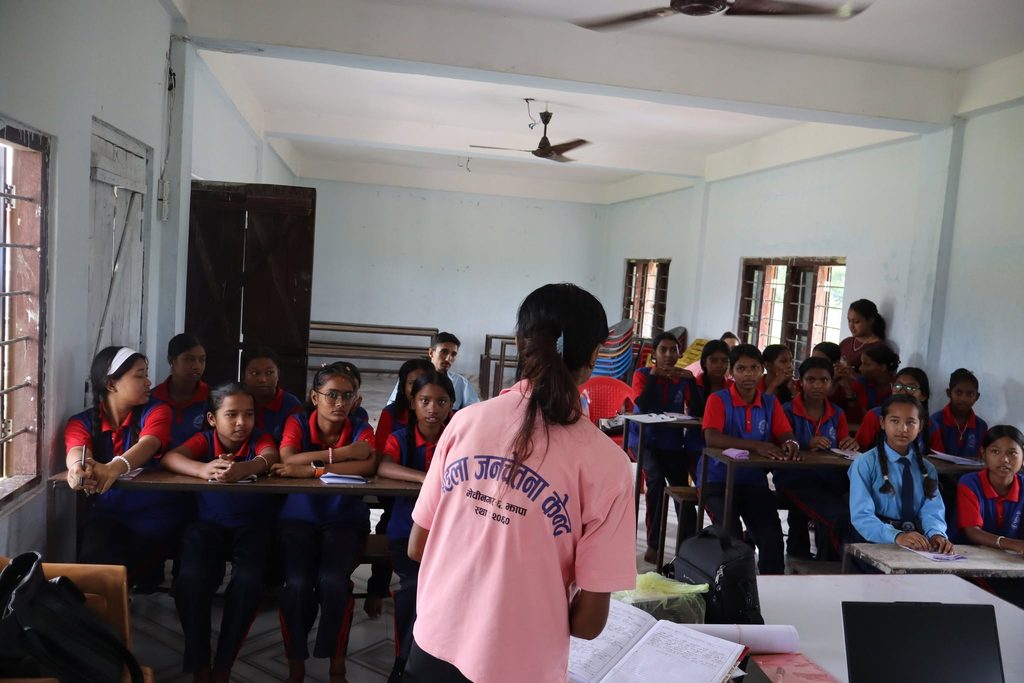
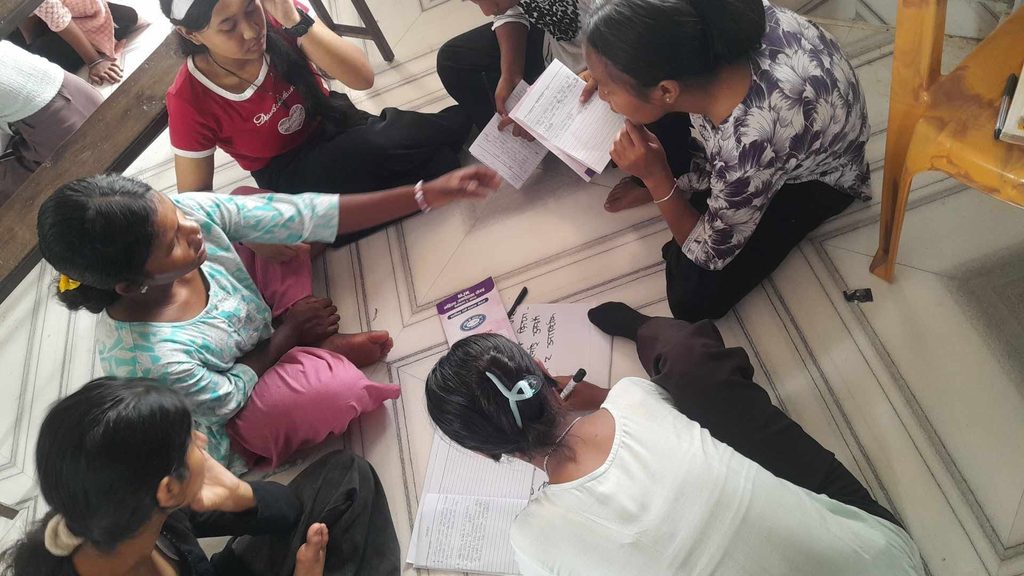
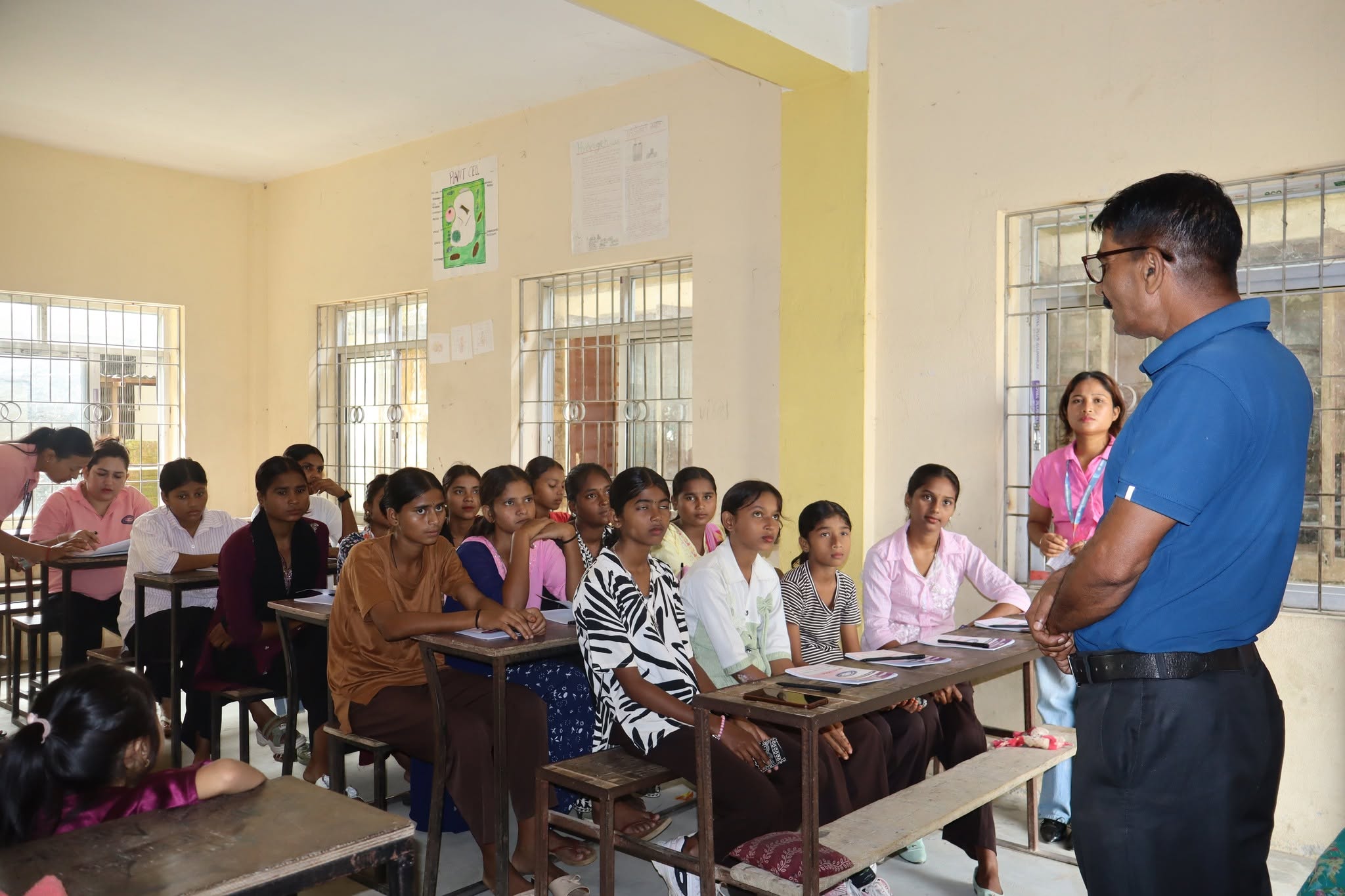
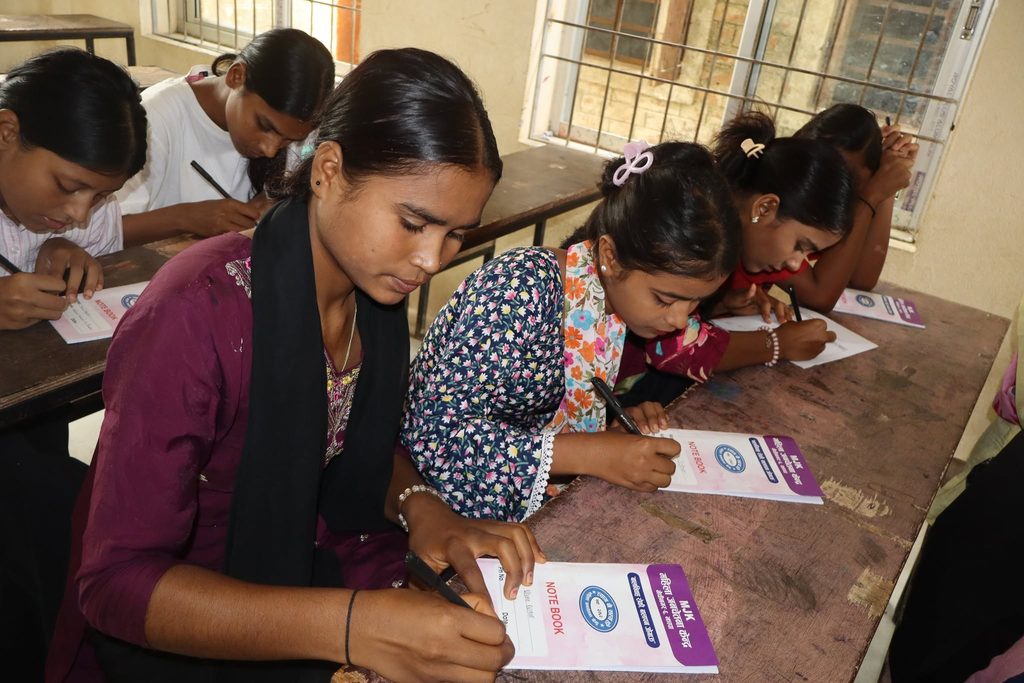
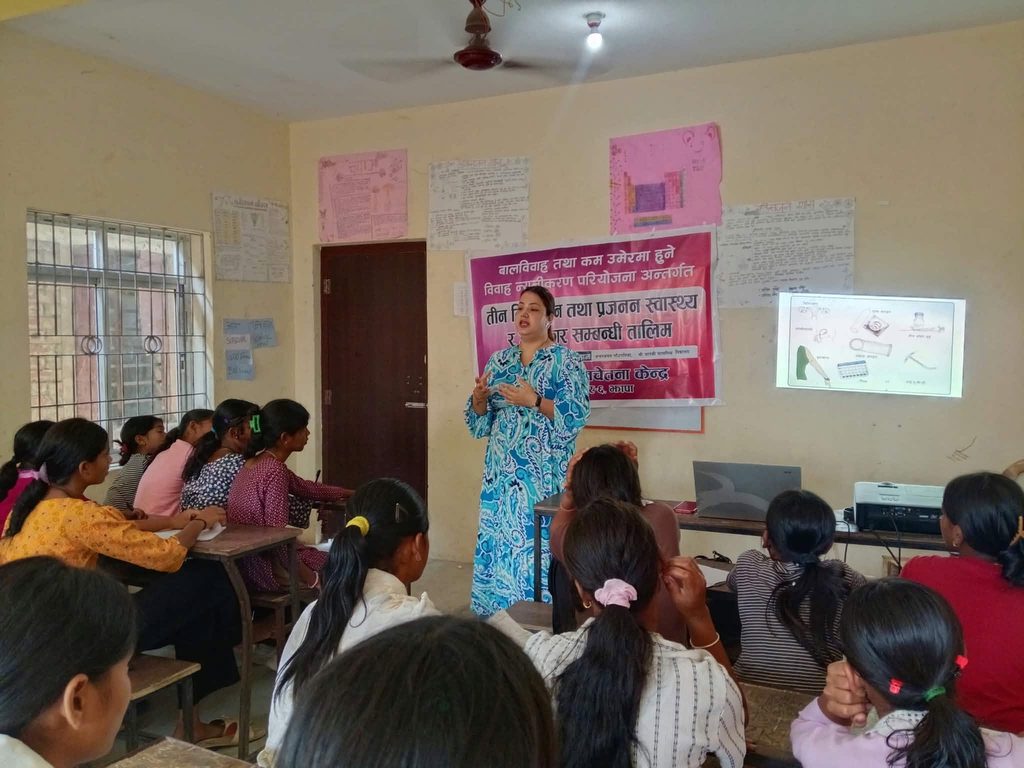
Led by facilitator Prakriti Bastola, the program aimed to help young people grow with confidence, make safe choices, and develop respectful attitudes toward themselves and others. Through participatory methods like group discussions, role-plays, and interactive Q&A sessions, the training covered critical topics including puberty and body changes, menstrual hygiene, contraception, STI/HIV prevention, consent, and gender equality. A total of 61 adolescent girls were successfully reached and empowered through these sessions.
Program Highlights by Location
1. Mechinagar Municipality
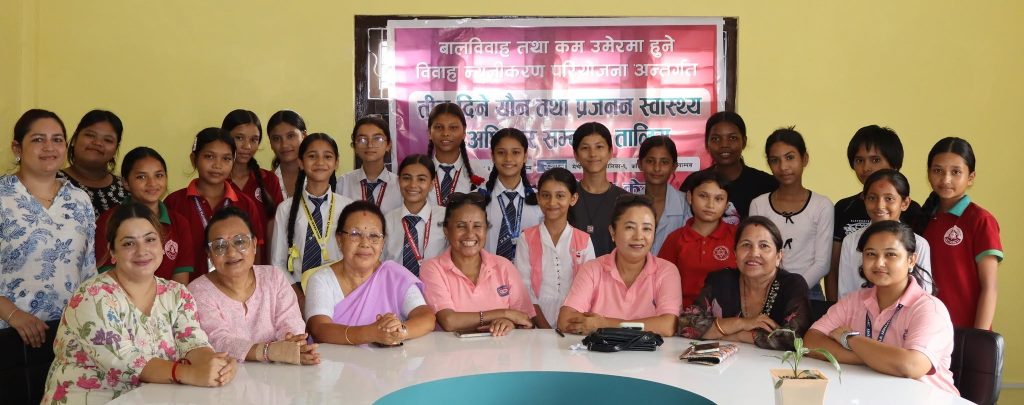
- Participants: 20 energetic young girls representing 3 different schools.
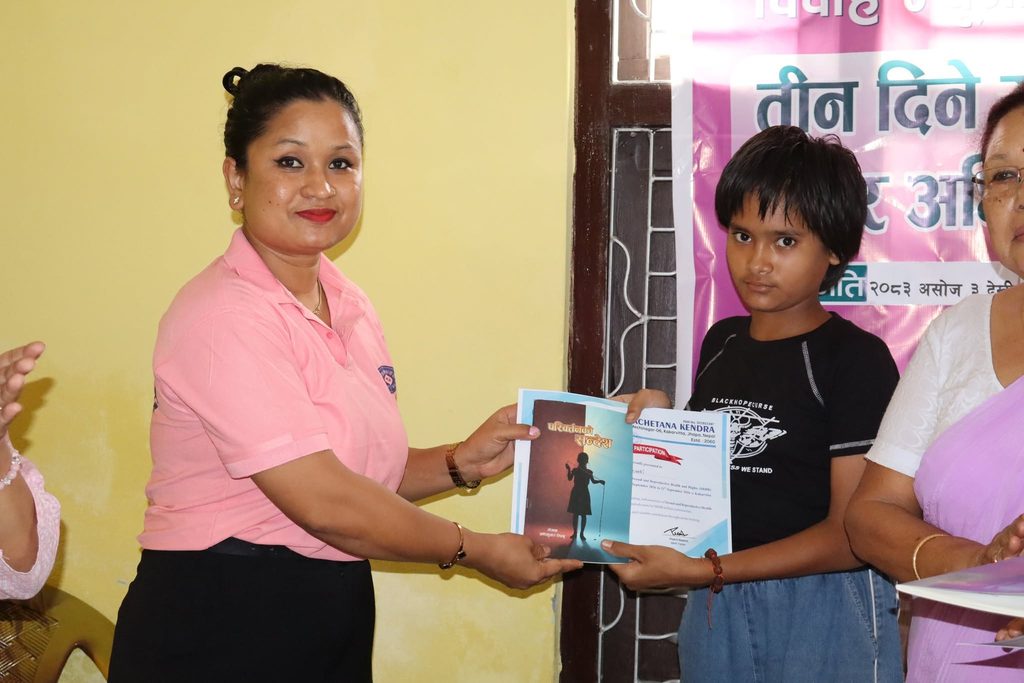
- Overview: The sessions in Mechinagar kicked off with an enthusiastic and cooperative group of students eager to expand their knowledge. Participants actively engaged in discussions, showing a strong willingness to learn about SRHR topics, bodily changes, and personal boundaries in a safe environment.
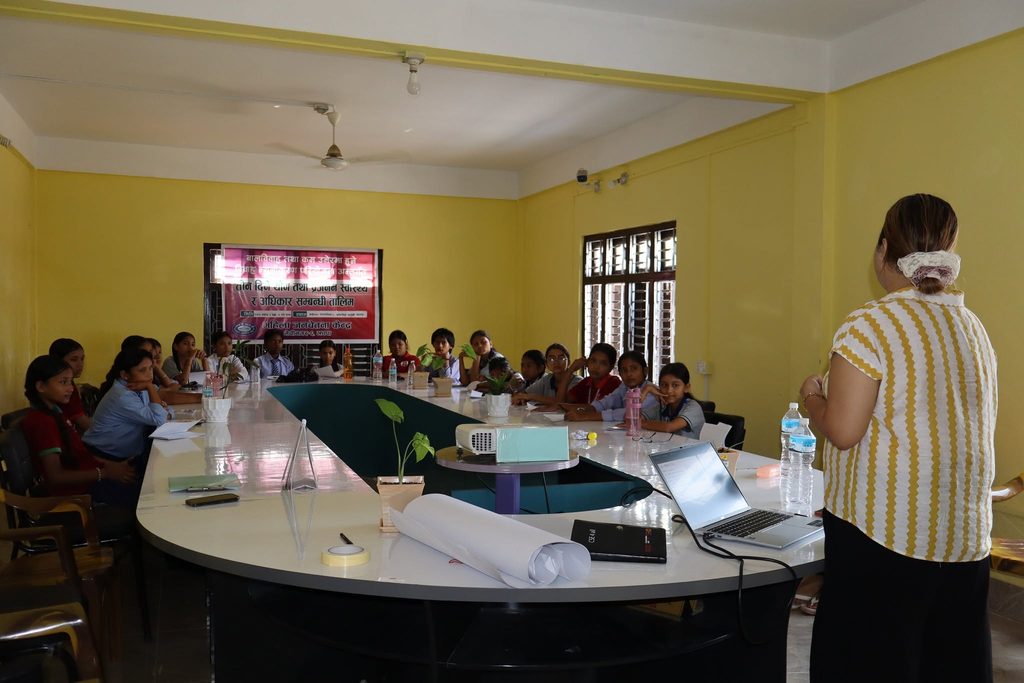
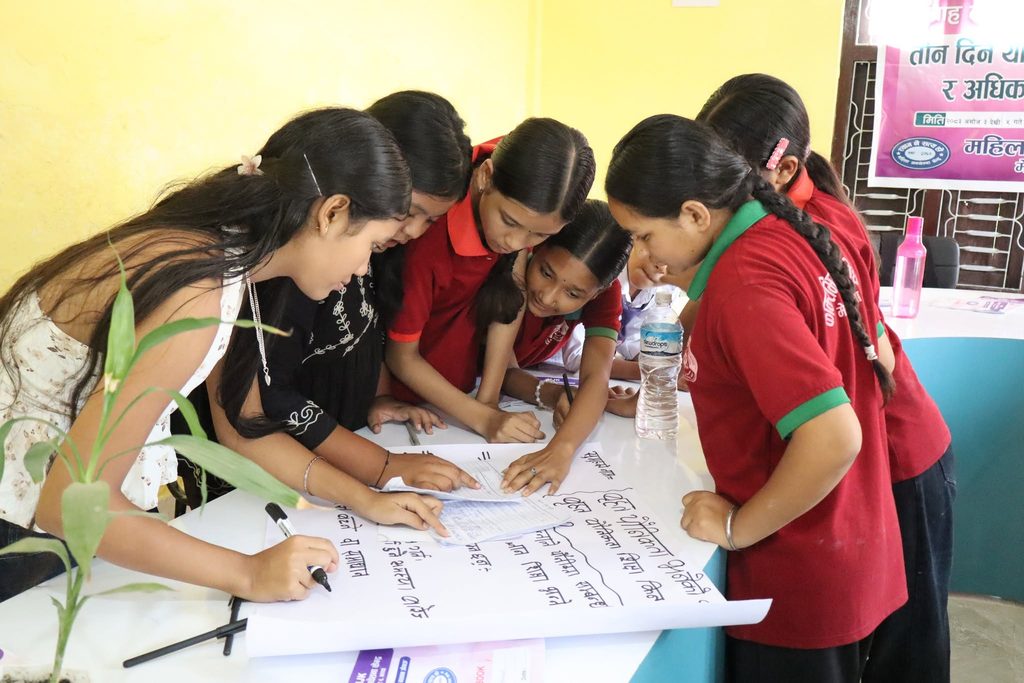
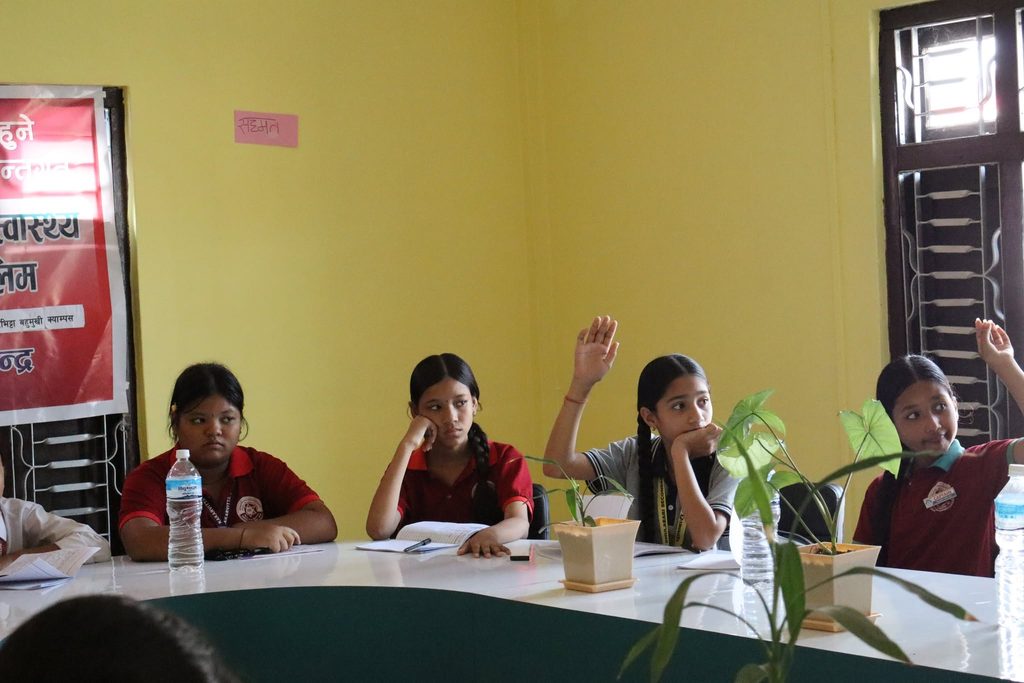
2. Barhadashi Rural Municipality (Gaurishankar Ma. Vi.)
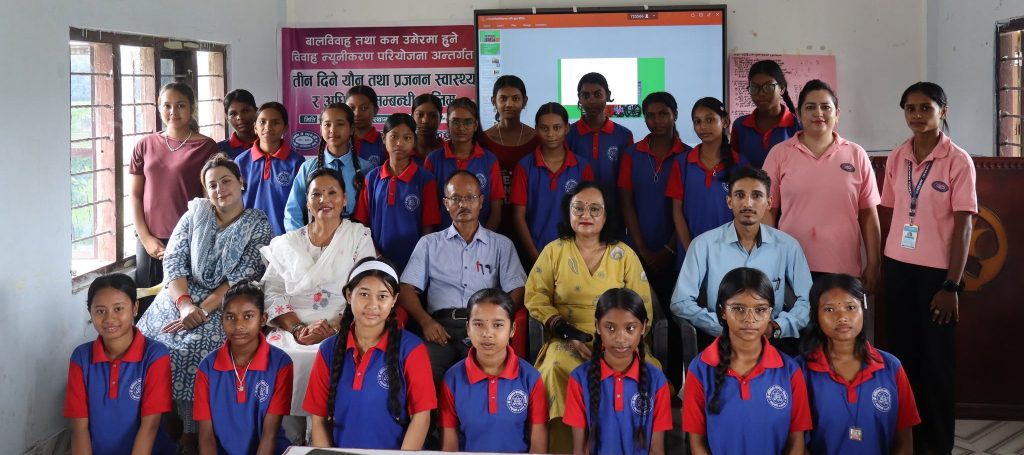
- Participants: 20 students.
- Overview: Held at the school in Dangibari, this session focused heavily on core SRHR learning expectations. Students actively brought forward questions regarding prevailing menstrual myths, the biological processes of pregnancy, and childbirth. The open dialogue successfully cleared up misconceptions and encouraged healthy peer communication.
3. Kachankawal Rural Municipality (Janaki Ma.Vi.)
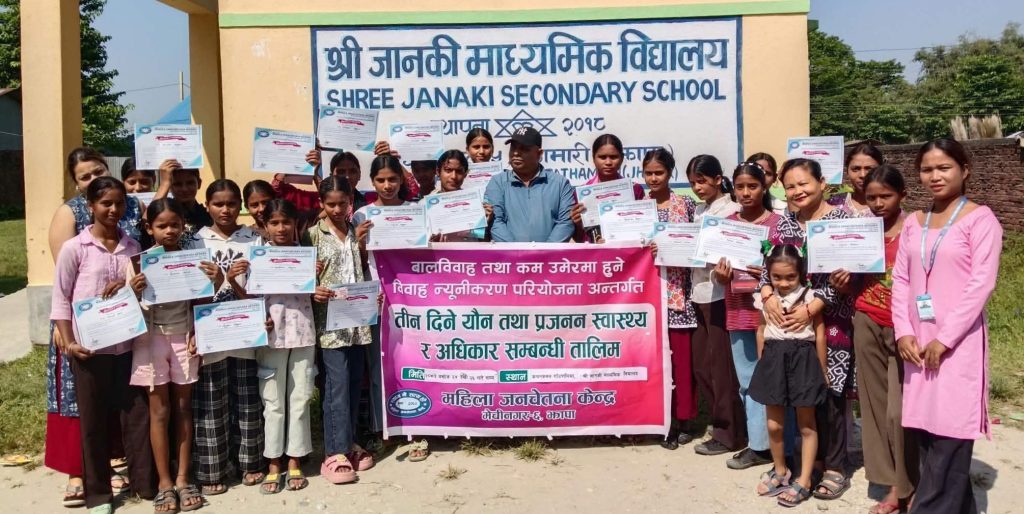
- Dates: October 10 to October 12, 2026
- Participants: 21 girls, predominantly from marginalized communities.
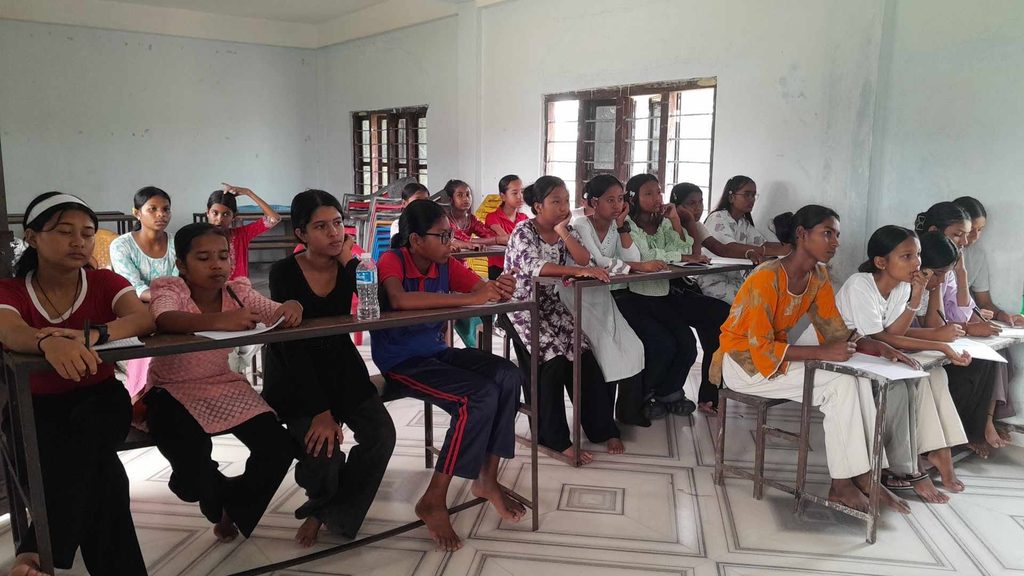
- Overview: Reaching adolescents in areas where accessing reliable SRH resources is traditionally challenging, this program proved exceptionally impactful. Despite systemic barriers, the participants displayed impressive knowledge and deep engagement. They raised insightful questions concerning human fertilization, puberty changes, and sexual health, proving that targeted outreach successfully bridges critical information gaps.
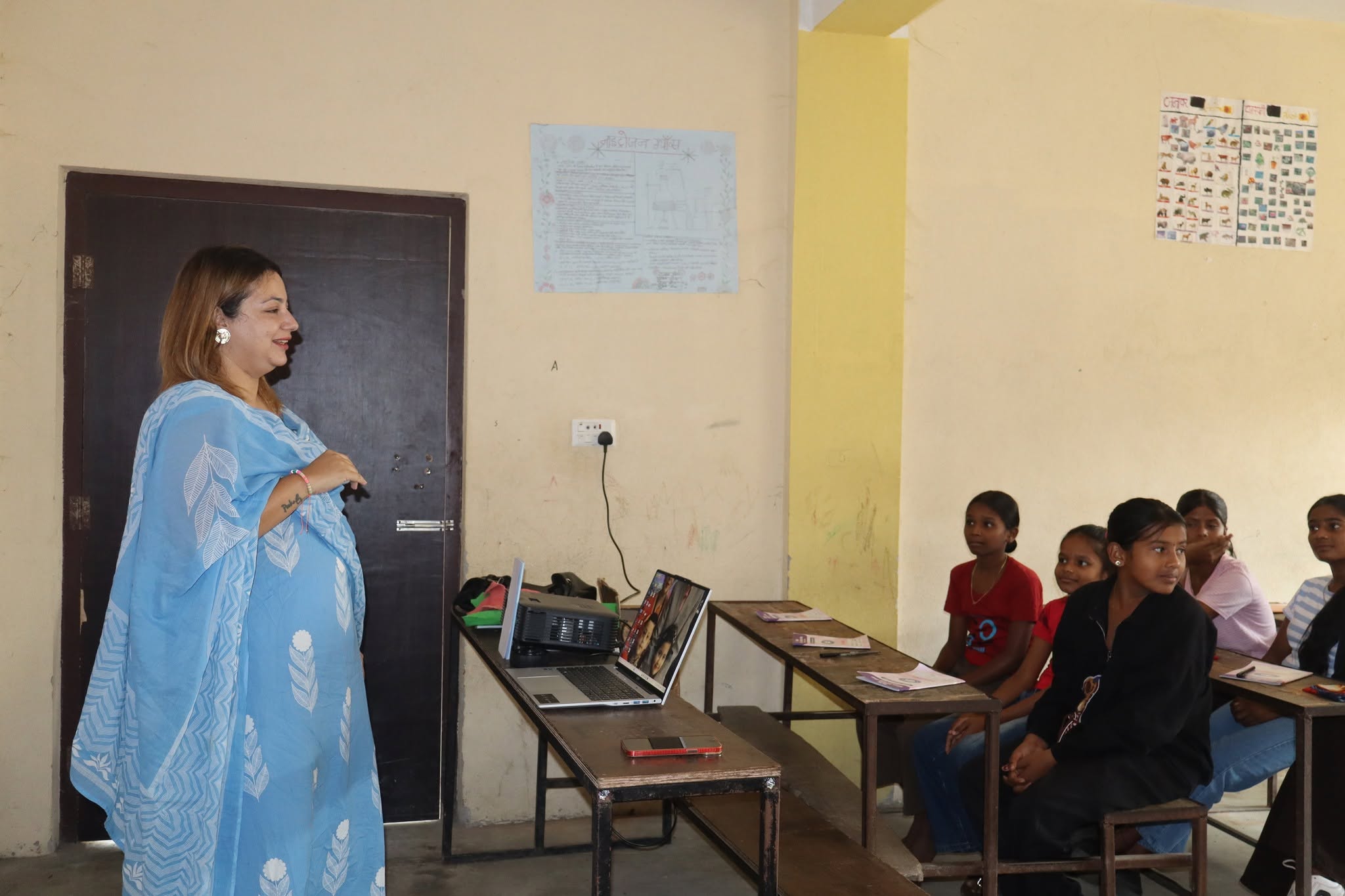
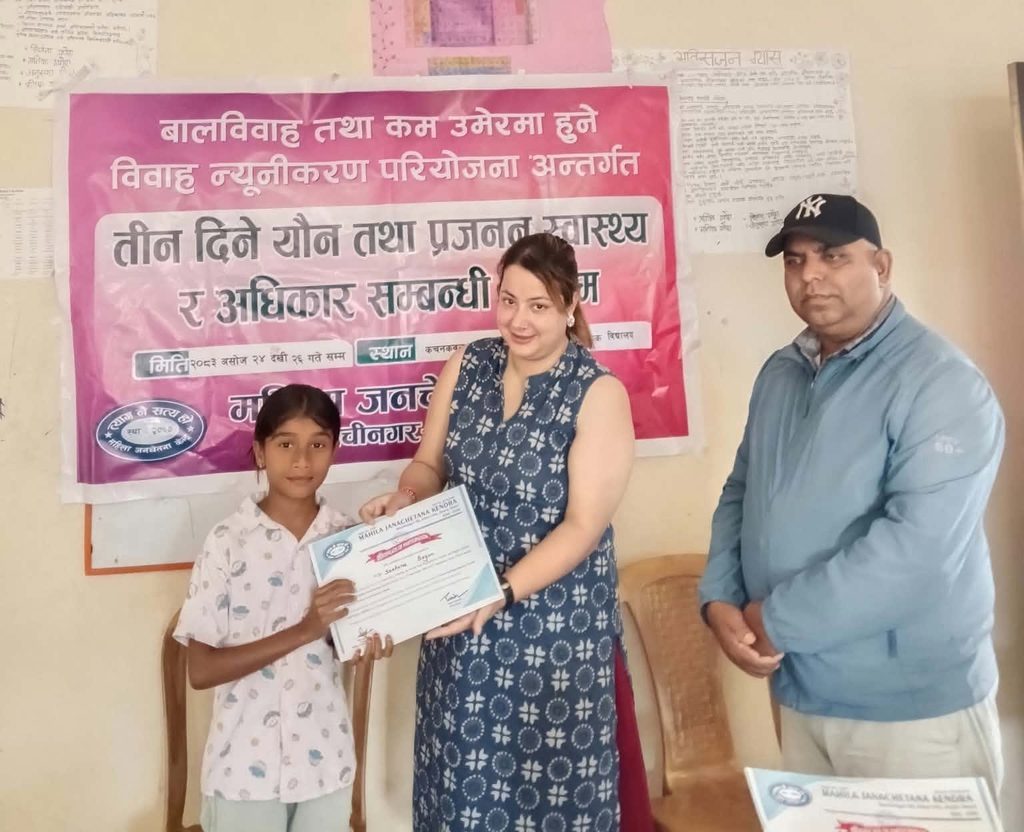
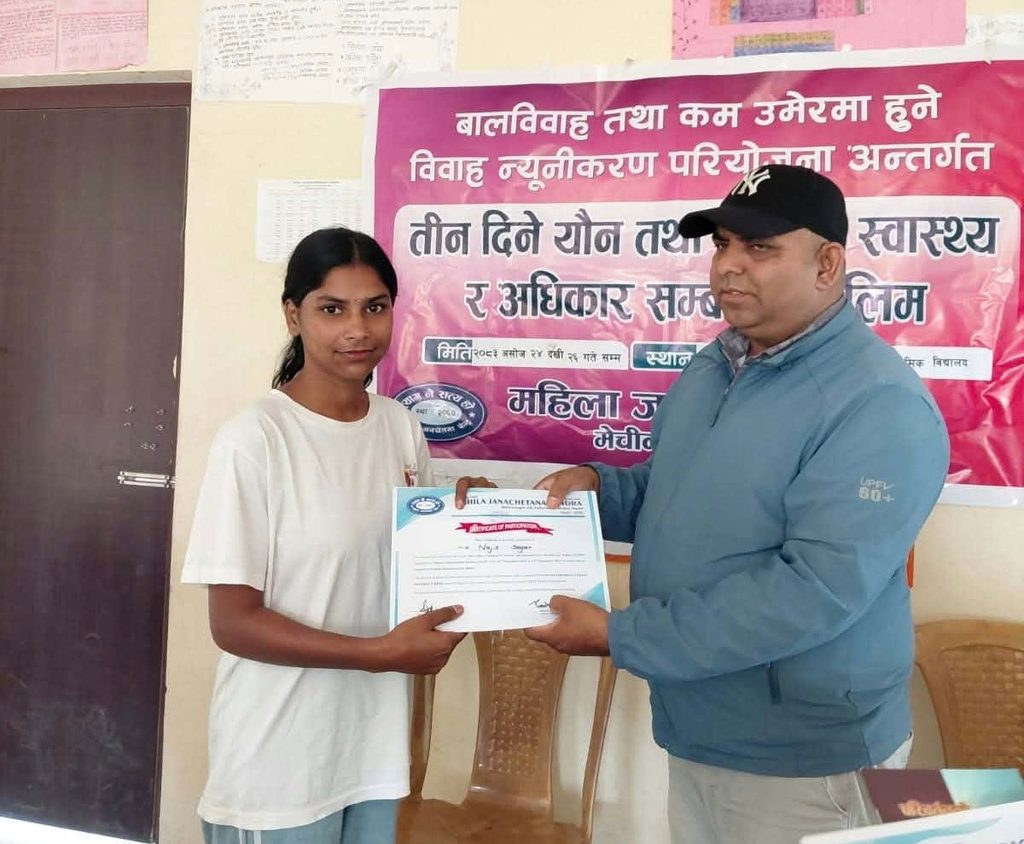
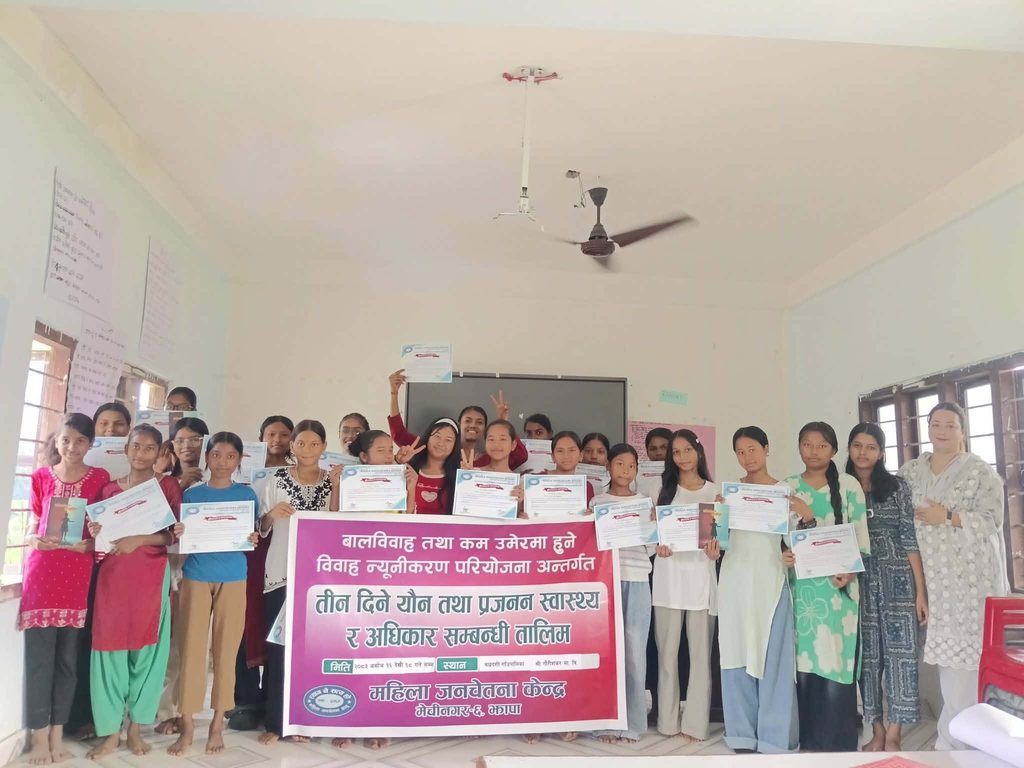
The training concluded with overwhelming positive feedback from participants, who highlighted the critical need for regular awareness programs, confidential counseling, and youth-friendly health services. By providing a safe space to clear up myths, discuss personal rights, and learn life skills, Mahila Janachetana Kendra continues to empower young girls to make informed, healthy, and responsible decisions for their futures.