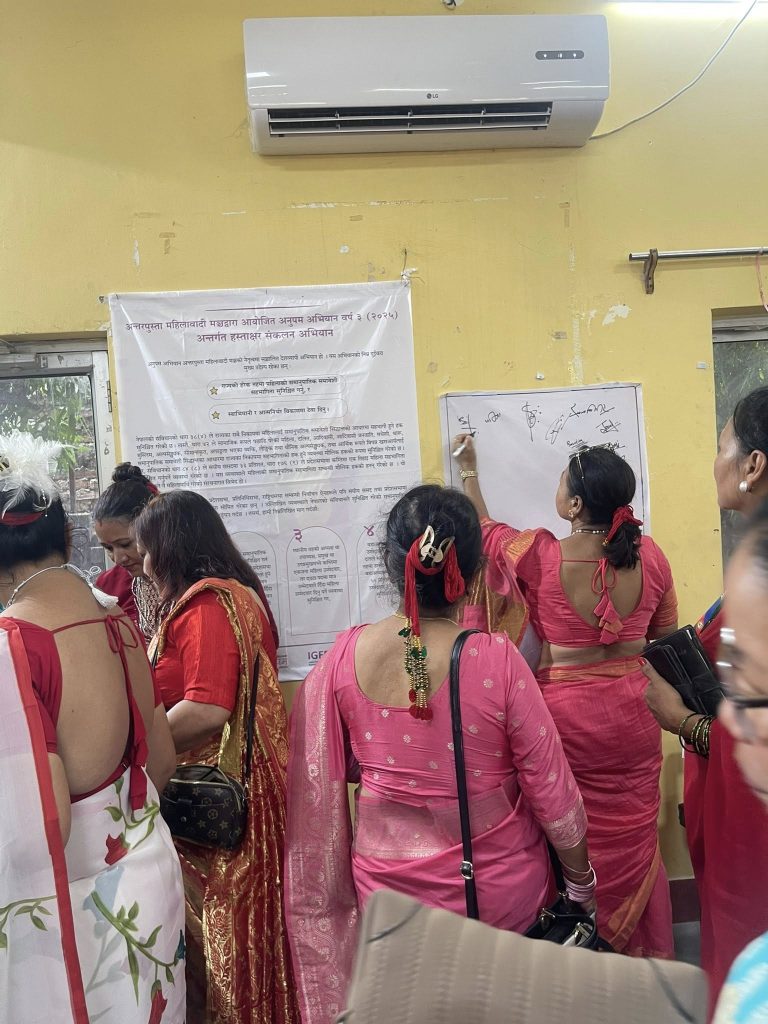
With the support of the Asian Development Bank (ADB), a series of critical discussion and interaction programs focused on Preventing Sexual Exploitation, Abuse, and Harassment (PSEAH) have been successfully completed.
These programs were organized through the joint collaboration of Mahila Janachetana Kendra (MJK), MSC, and Alliance Asia Nepal (AAN). The initiative aimed to sensitize various sectors of society—from local governance and schools to the construction industry—on the importance of creating safe, harassment-free environments.
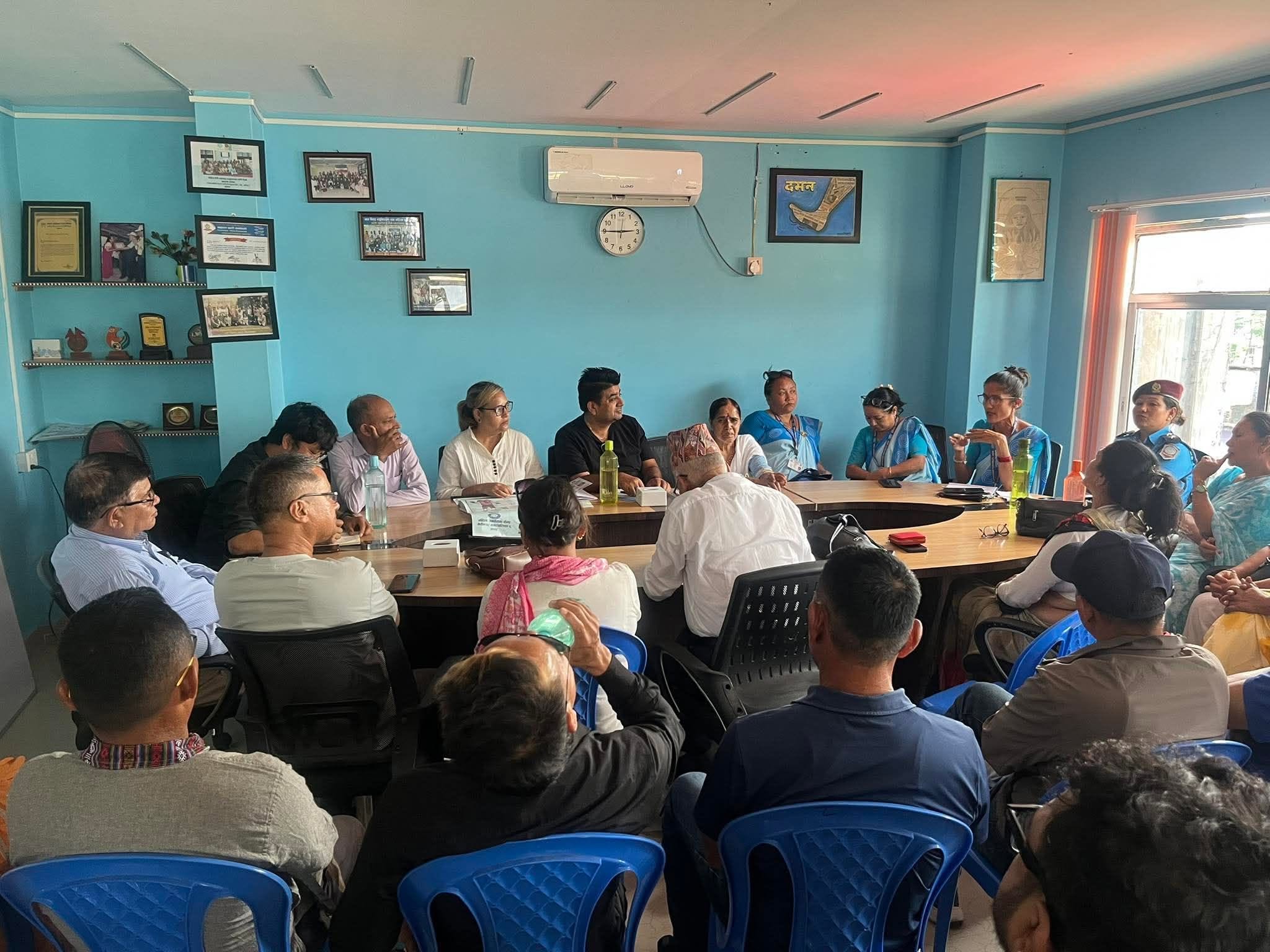
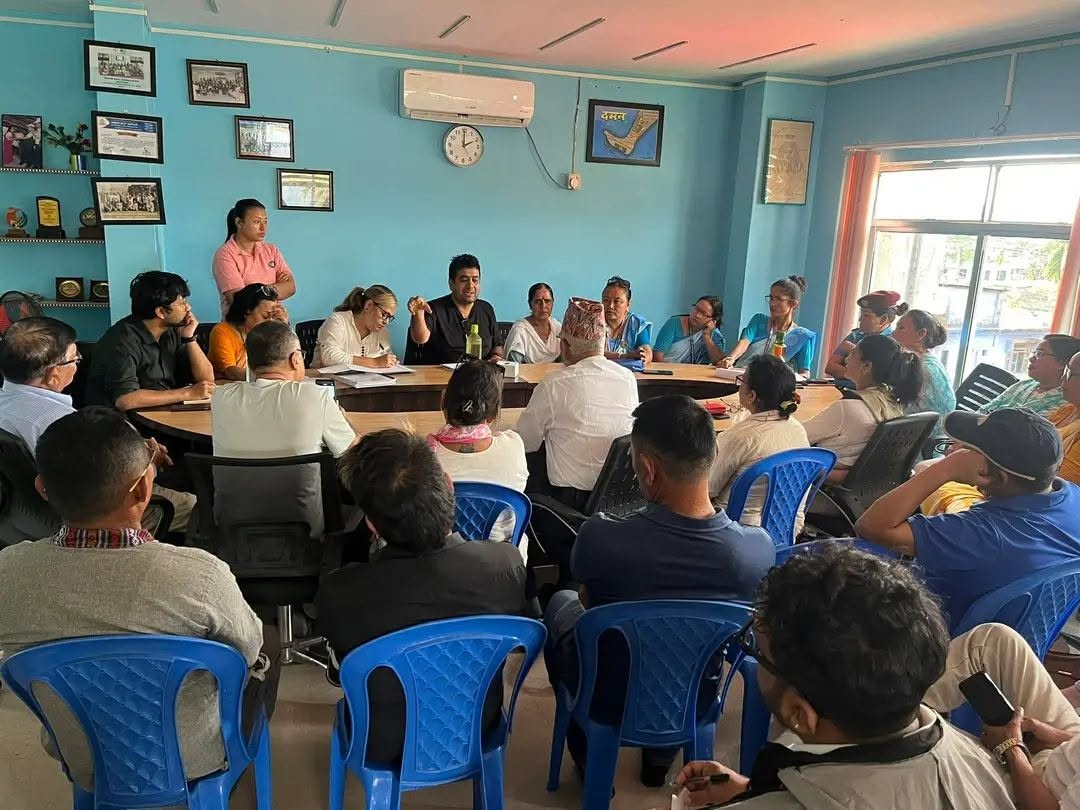
1. Multi-Stakeholder Consultation in Mechinagar
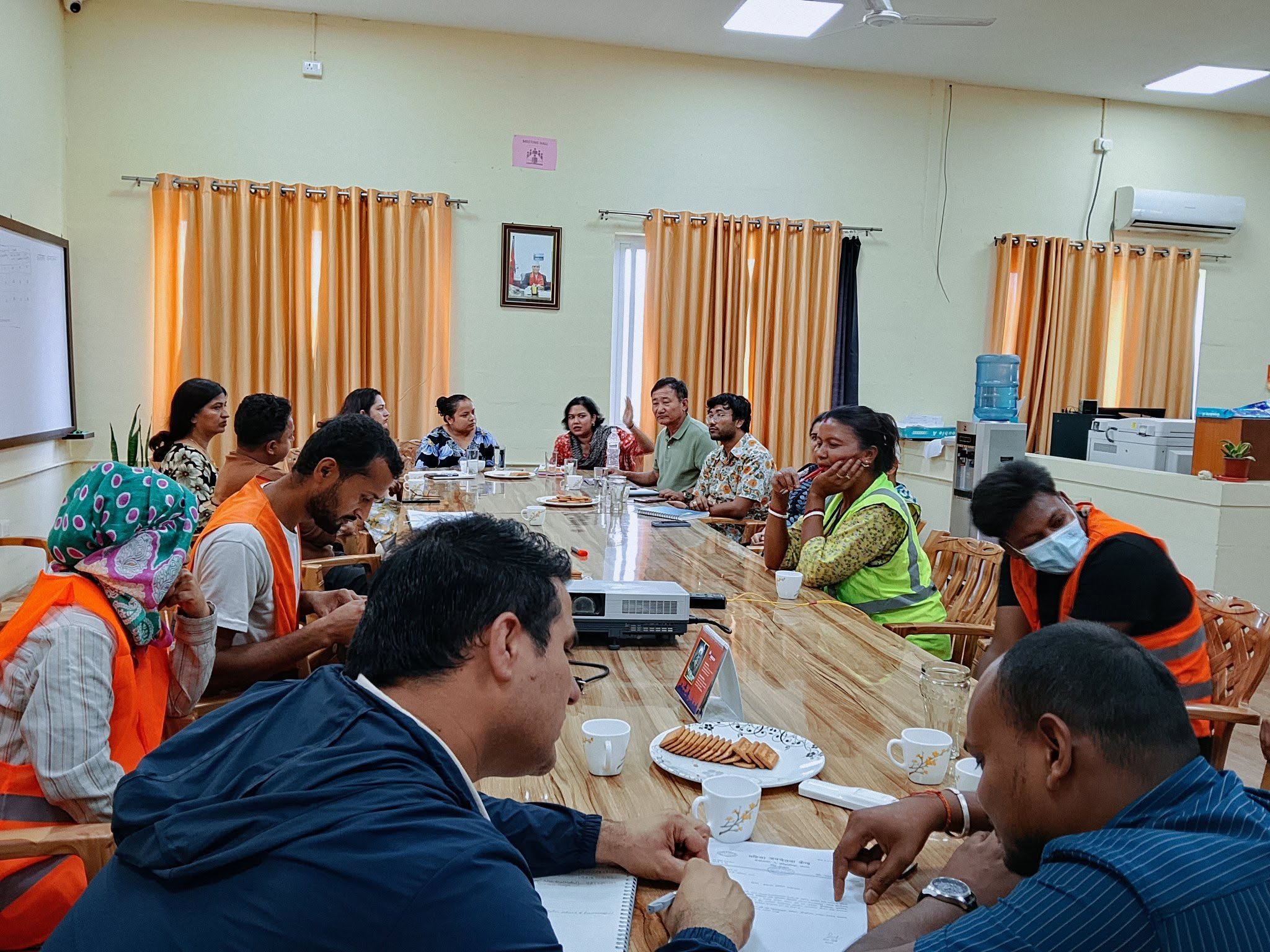
The project hosted a high-level interaction involving key representatives from the Mechinagar Municipality and local civil society. This session focused on policy, psychosocial support, and community vigilance.
We extend our sincere thanks to:
Mechinagar Municipality: Heads of the Health, Education, and Social Development Branches, and members of the Judicial Committee.
Organizations: OCMC (One-Stop Crisis Management Centre), Maiti Nepal, Mechinagar Ladies JCI, Paribartan Theatre, Rotary Club, and Pragatisheel Youth Club.
Community Leaders: Psychosocial counselors, Ward No. 6 representatives, Ama Samuha, political representatives, and various NGOs.
Frontline Workers: Health volunteers, media professionals, and all dedicated participants.


2. School-Based Awareness: Empowering the Next Generation
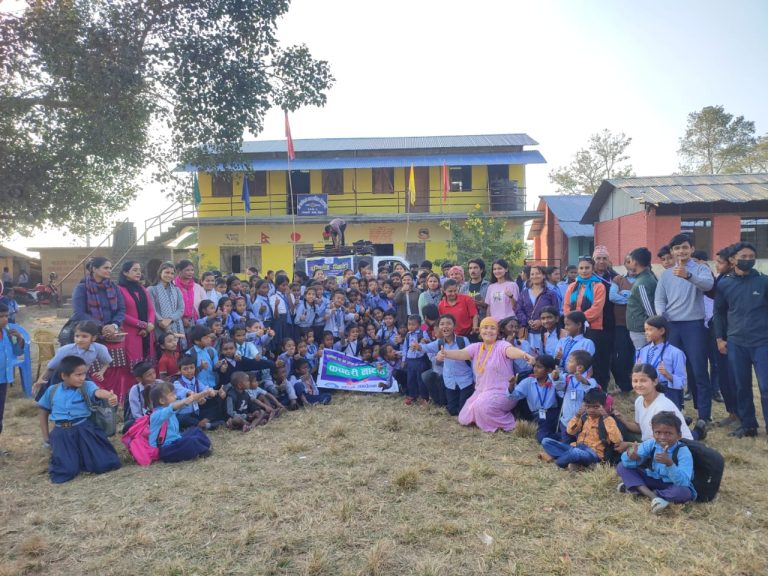
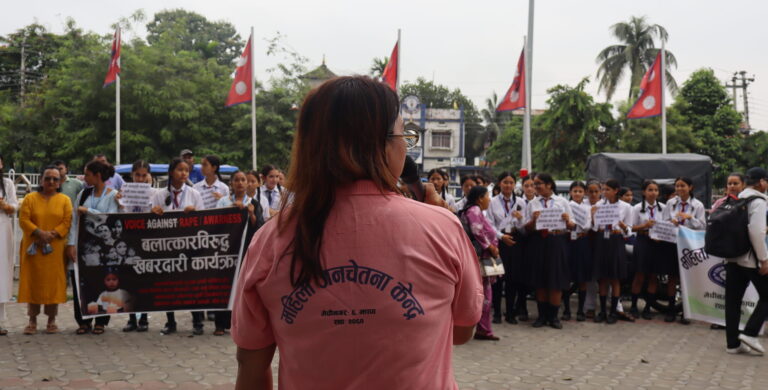
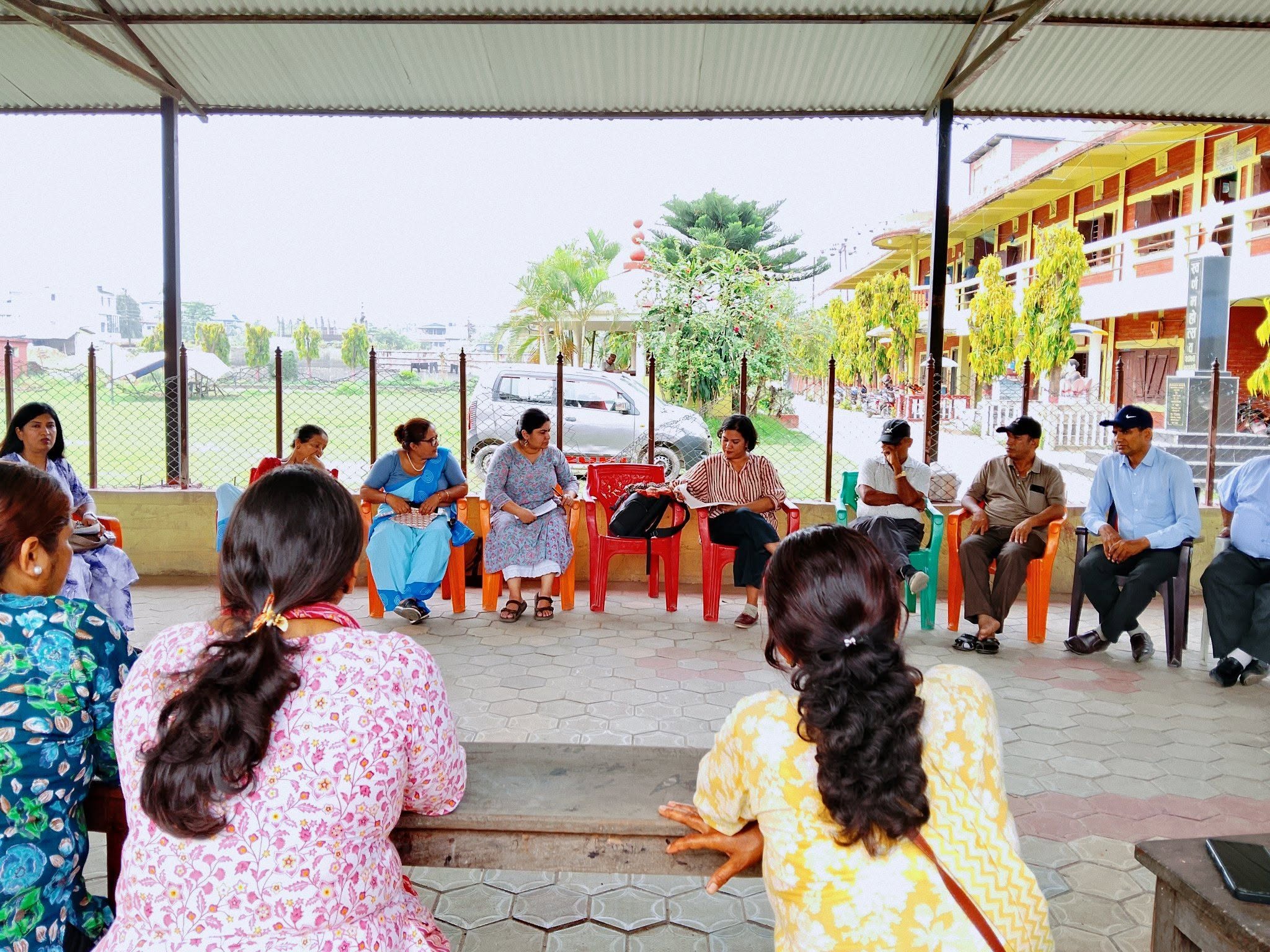
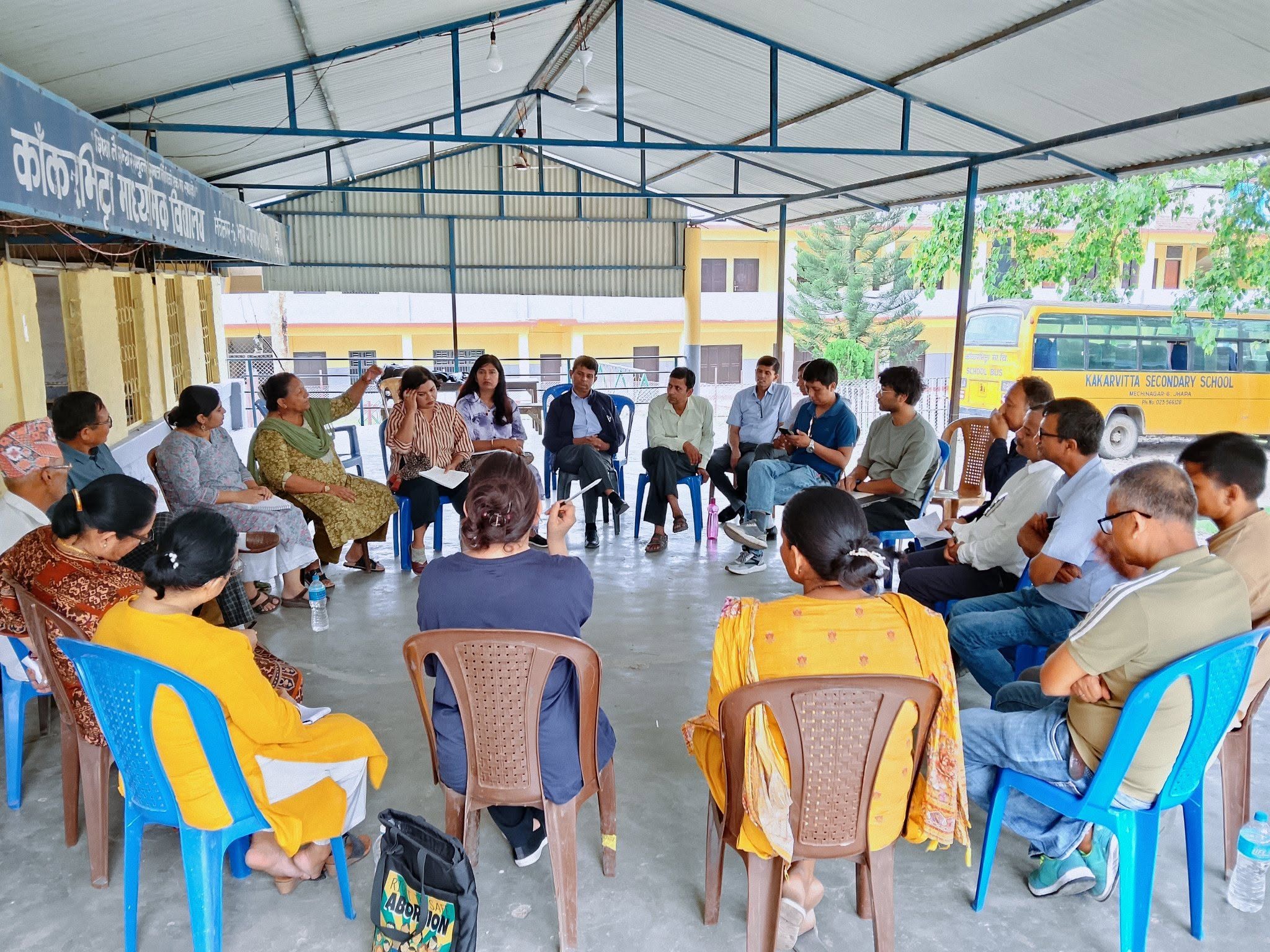
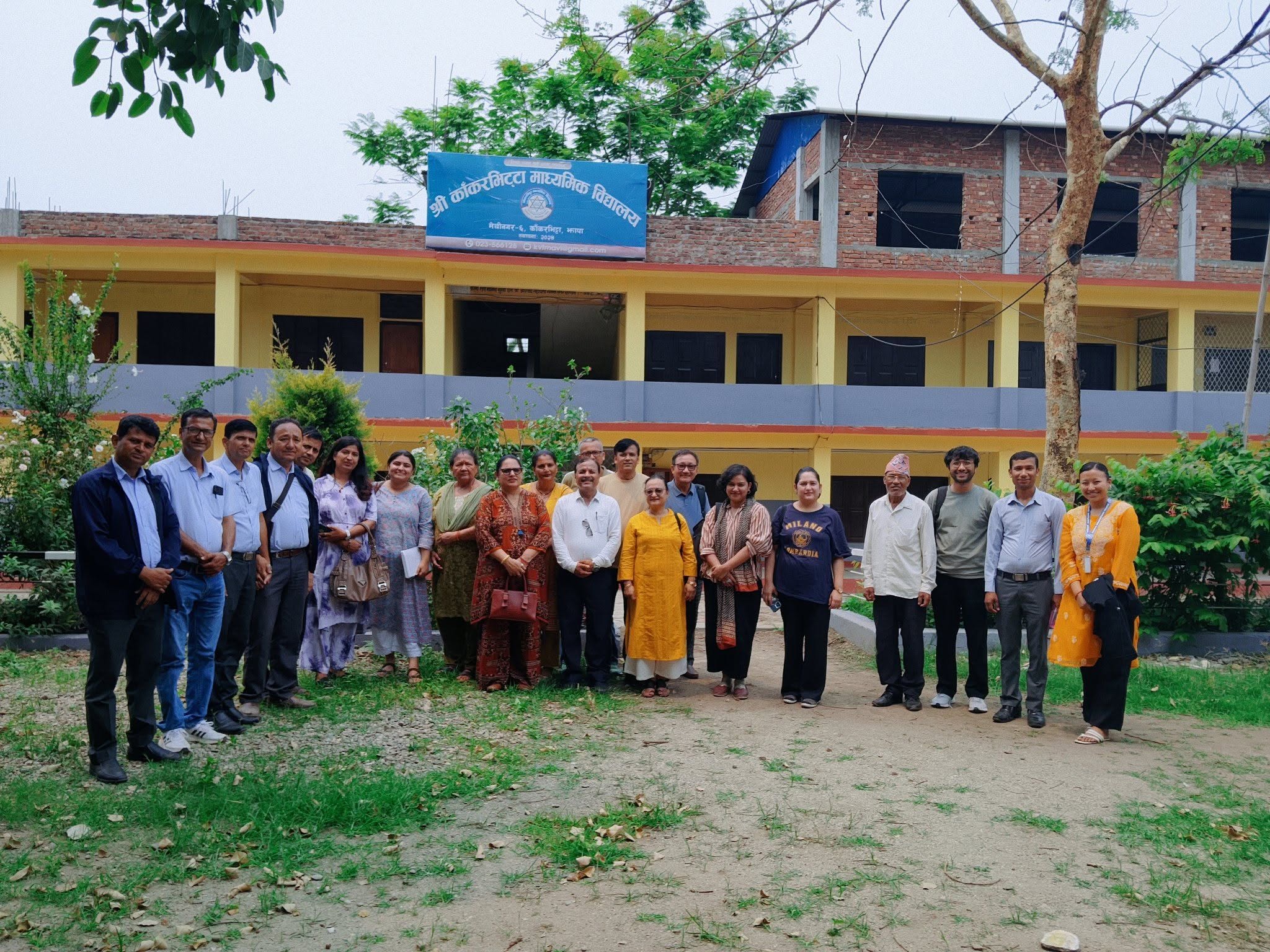
Recognizing that safety starts with education, the PSEAH project conducted specialized interaction sessions at two major educational institutions:
Kakarbhitta Secondary School
Sahid Dasarath Chand Secondary School
These sessions provided a platform for students and educators to discuss prevention strategies, ensuring that schools remain a secure space for learning and personal growth.
3. Safeguarding the Asian Highway Project
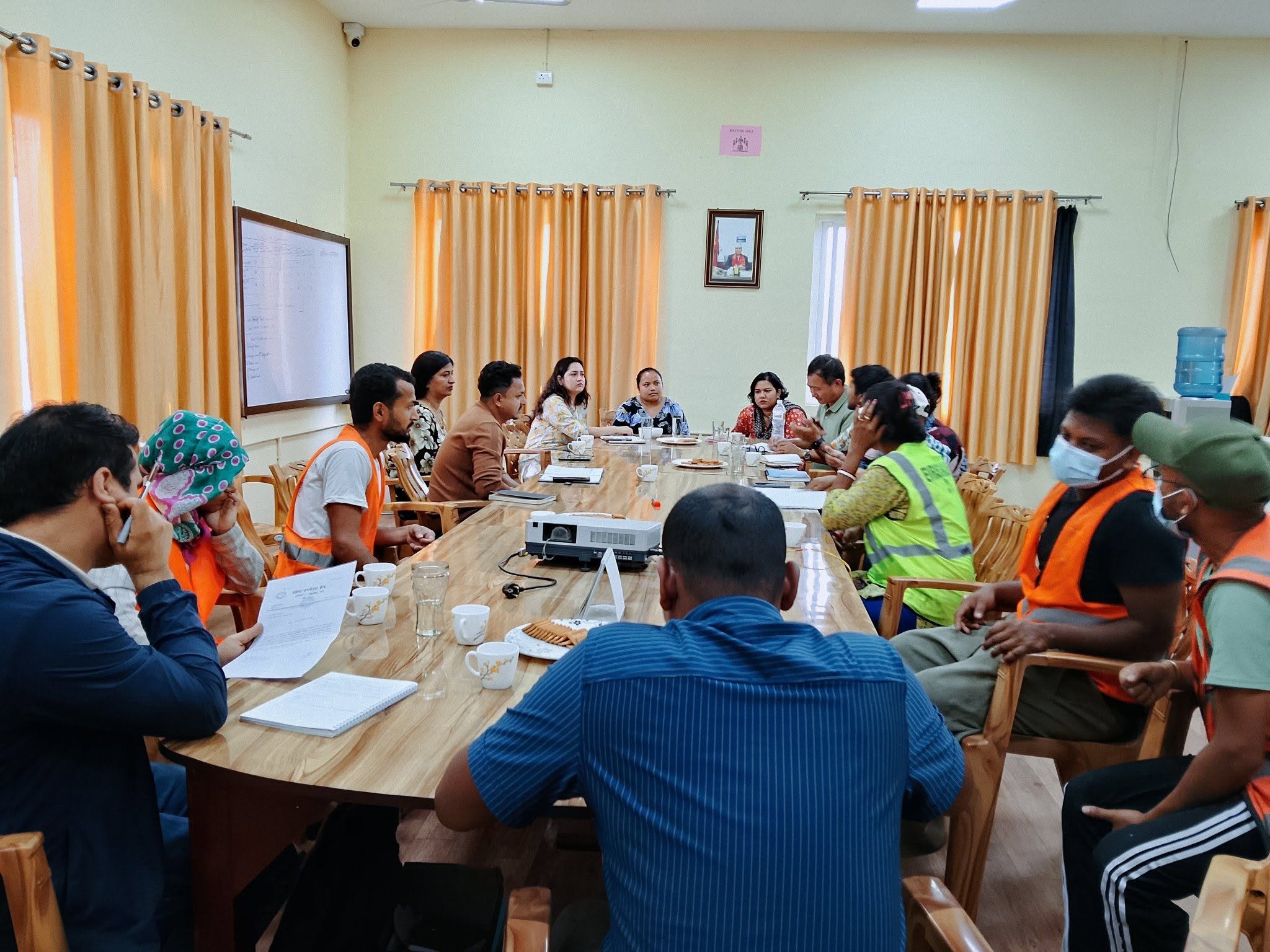
As infrastructure development progresses, ensuring the safety of workers and the surrounding community is a top priority. An interaction program was held specifically for those involved in the construction of the Asian Highway.
Participants included:
Contractors and Supervisors
Engineers and Technical Teams
Construction Workers
The discussion emphasized the ethical standards and professional conduct required to prevent any form of exploitation or harassment at the workplace and within the project’s impact zone.
Conclusion
The joint organizers—MJK, MSC, and AAN—express their heartfelt gratitude to every individual and organization that participated. These dialogues are a vital step toward building a society where dignity and safety are guaranteed for all.