Supported by: GIZ (Deutsche Gesellschaft für Internationale Zusammenarbeit)
From 2009 to 2012, Mahila Janachetana Kendra (MJK) spearheaded a landmark regional intervention to advocate for and educate the public on the Domestic Violence (Offence and Punishment) Act 2066. Supported by GIZ, this project established the “Campaign against Domestic Violence – Eastern Network 2009,” creating a unified front across 9 districts of Eastern Nepal (now Koshi Province) to ensure every person’s right to live a secure and dignified life.
Following the passing of the 2066 Act, a massive gap existed between the new legal protections and community awareness. MJK identified critical needs across the Eastern region:
Legal Literacy Gap: Women and girls in rural districts were largely unaware of the new legal definitions of domestic offense and available punishments.
Regional Fragmentations: The need for a cohesive network to synchronize advocacy efforts across 9 different districts.
Family Safety: Addressing violence occurring within the family structure as a punishable legal matter rather than a private domestic issue.
Network Leadership: Coordinating the “Eastern Network” to unify women-affiliated organizations and institutions in a massive regional campaign.
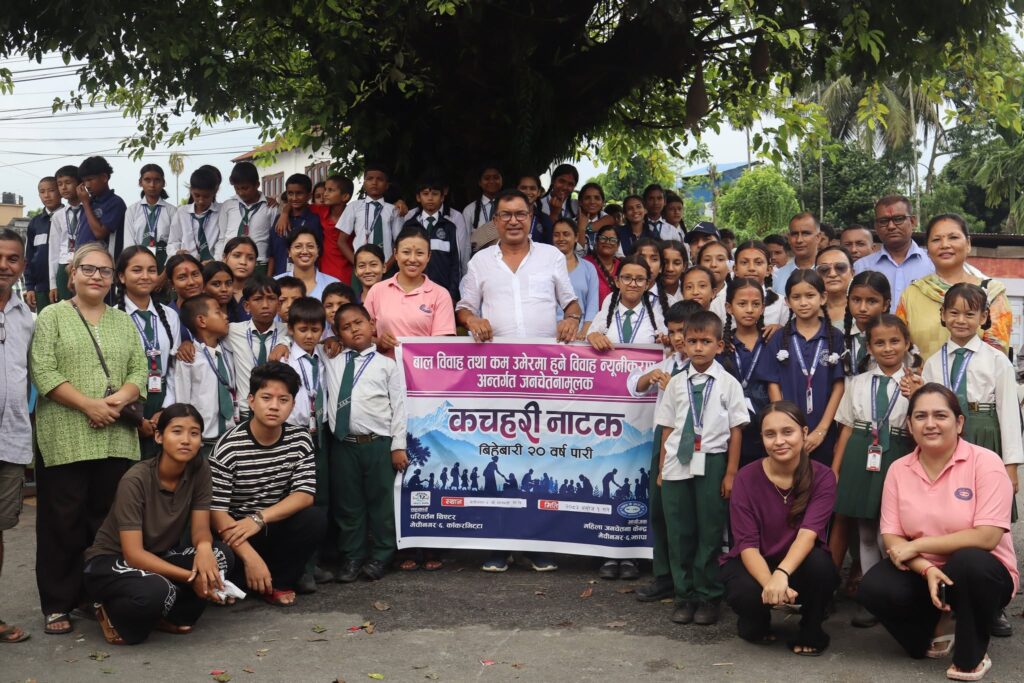
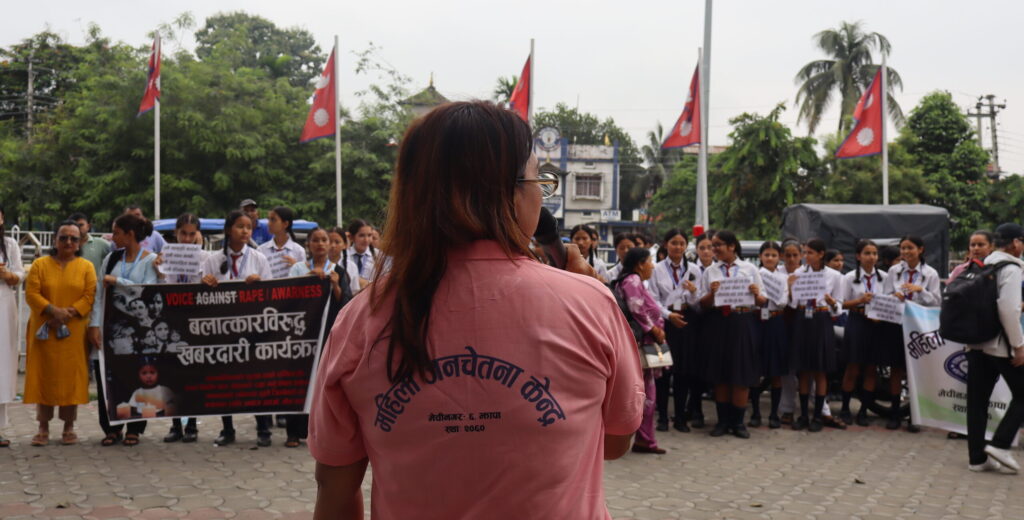
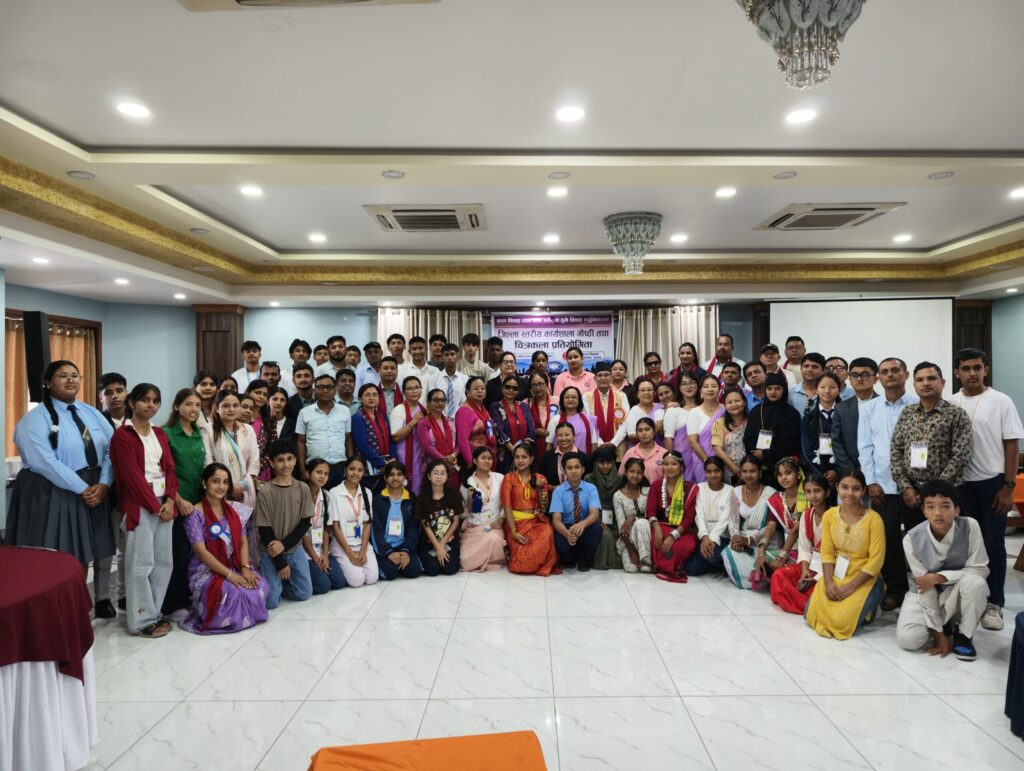
Mass Awareness & Mobilization: Utilizing creative advocacy tools including rallies, street dramas, and Forum Theater to simplify legal concepts for the public.
IEC Strategic Reach: Wide-scale distribution of Information, Education, and Communication (IEC) materials specifically explaining the provisions of the Domestic Violence Act 2066.
Stakeholder Sensitization: Training students, institutions, and stakeholders to recognize domestic violence as a human rights violation and take active steps toward control and prevention.
International Partner: GIZ (Germany)
Lead Regional Network: Campaign against Domestic Violence – Eastern Network 2009
Implementing Agency: Mahila Janachetana Kendra (MJK)