Supported by: Capital for Goods - Girls First Fund, USA
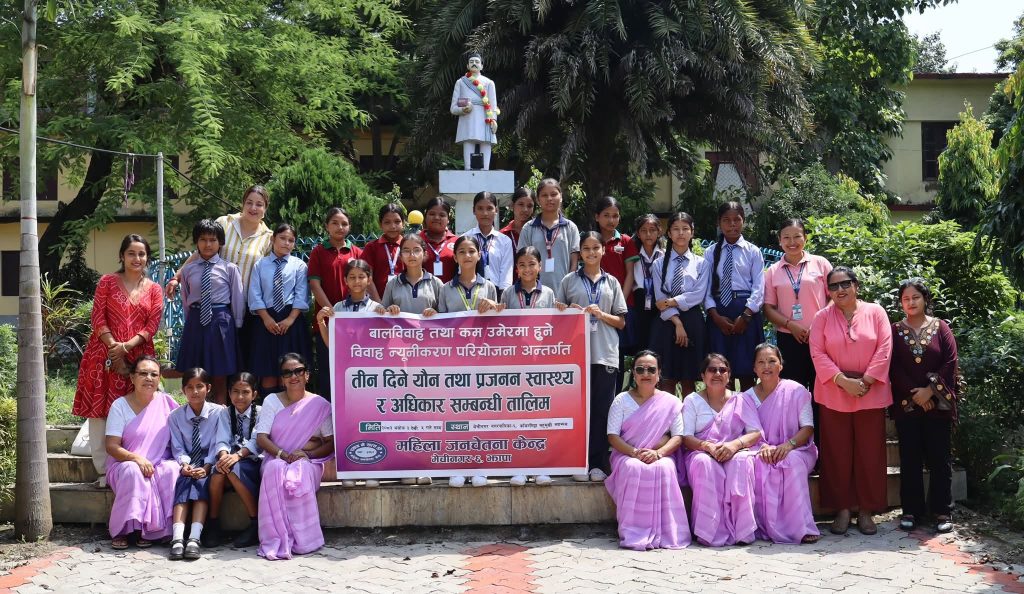
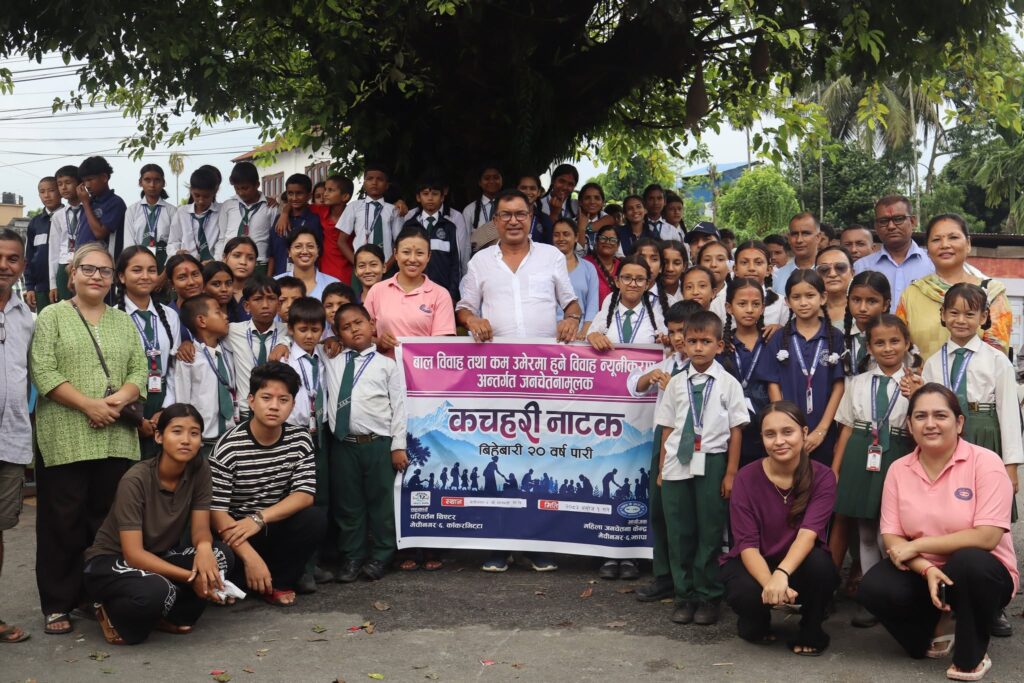
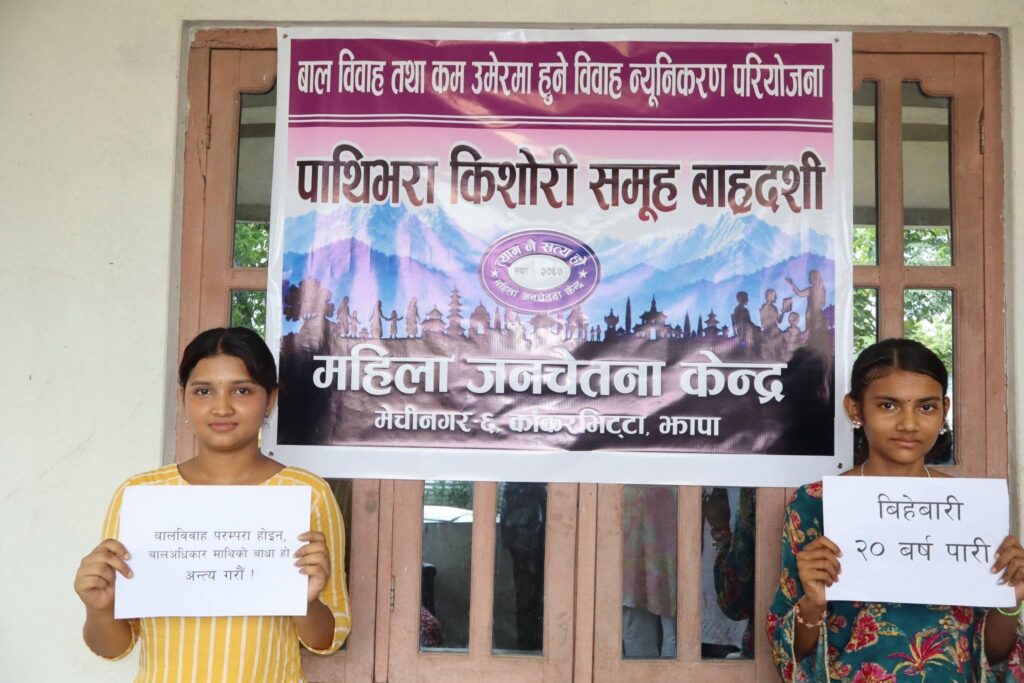
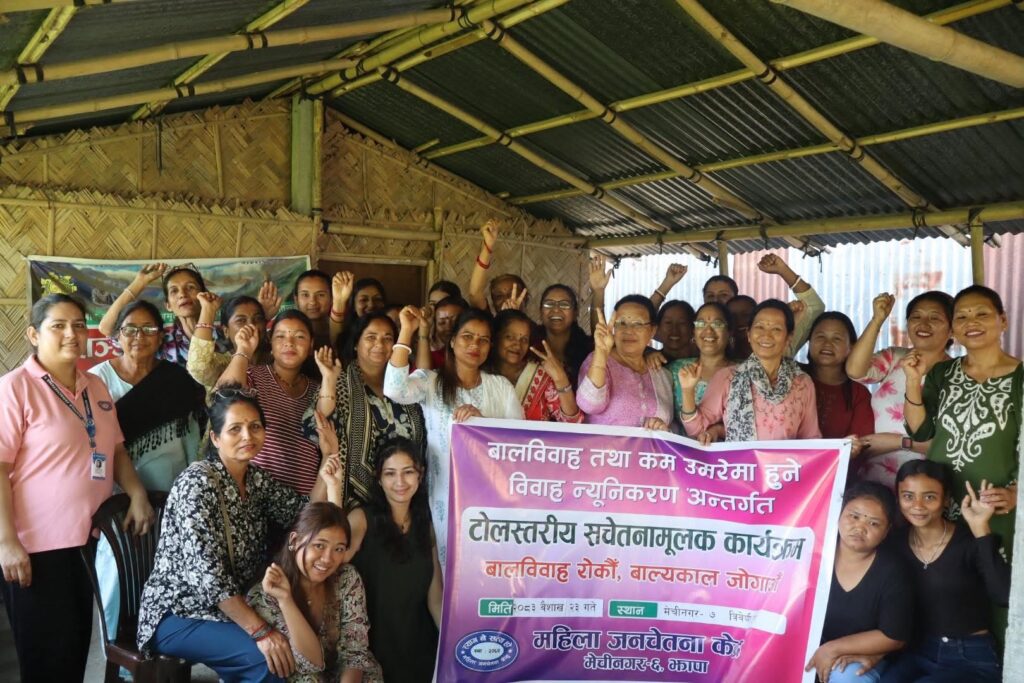
Mahila Janachetana Kendra (MJK) addresses child marriage as a critical human rights violation and a barrier to national development. With support from Girls First Fund, USA, we launched a pilot intervention (2019–2027) focused on the high-prevalence areas of Kachankawal, Barhadashi and Mechinagar. Our approach combines legal enforcement awareness with grassroots social mobilization to protect the futures of youth.
In the project areas of Kachankawal, Barhadashi and Mechinagar, specific demographic and legal challenges define the crisis:
High-Risk Communities: The rate of early union is disproportionately higher among the Muslim, Santhal, Rajbanshi, Chaudhari, and Madhesi communities.
Legal Disconnect: While Nepal’s national law strictly prohibits marriage below the age of 20, local community practices often bypass these legal protections.
Social Norms: Deep-seated traditional beliefs often view early marriage as a cultural necessity rather than a legal offense.
Targeted Prevention: Reducing child marriage through continuous community-level interventions and advocacy campaigns.
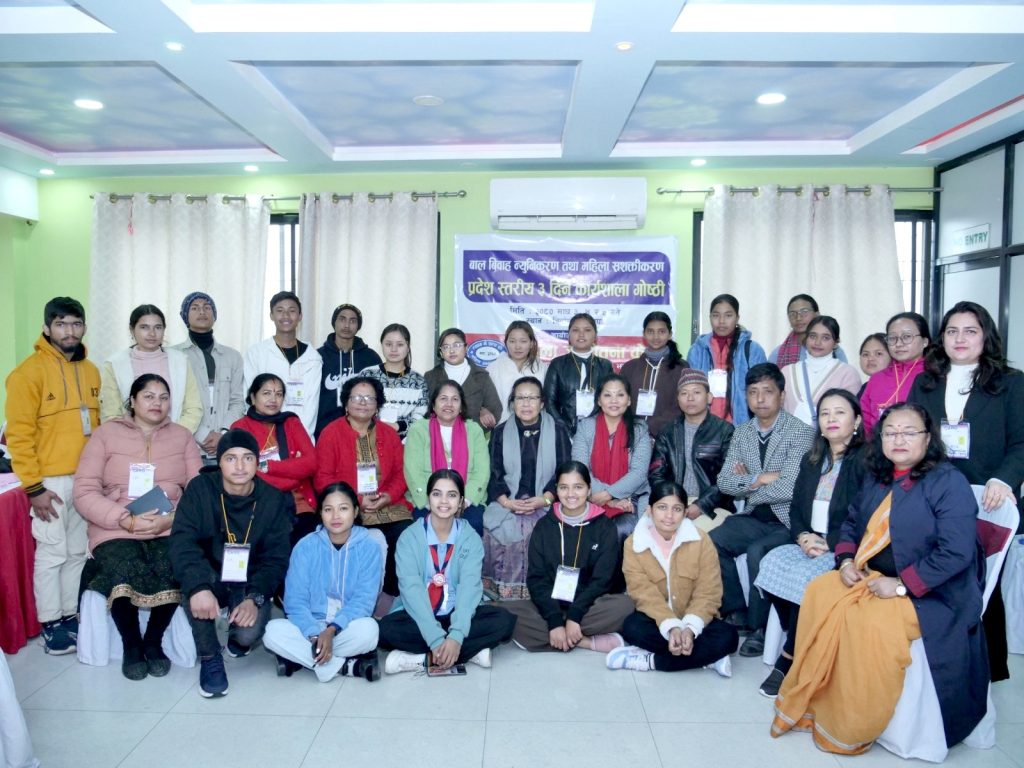
Youth Mobilization: Forming and mobilizing four dedicated young girls’ groups to increase self-awareness and leadership among girls, young women, and boys.
Shifting Perceptions: Engaging with families to foster a supportive and responsive environment that values daughters’ education over early marriage.
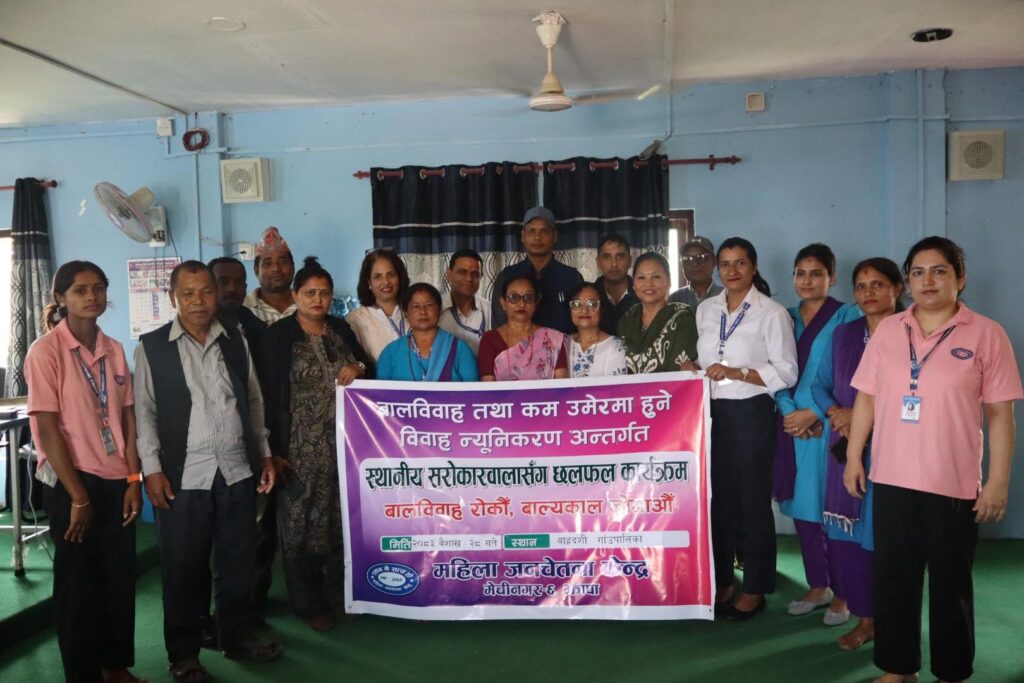
Stakeholder Engagement: Activating local stakeholders and influencers to take a proactive role in child marriage prevention campaigns.
Institutional Recognition: Ensuring that local Rural Municipalities formally recognize and address the issue of child marriage within their governance agendas.
Grantee/Lead: Mahila Janachetana Kendra (MJK)
International Partner: Capital for Goods - Girls First Fund, USA
Local Partners: Kachankawal and Barhadashi Rural Municipalities