Menstrual Hygiene & Reusable Pad Awareness Program
Promoting health, dignity, and environmental sustainability through safe menstrual practices.
Supported by: Tewa Nepal
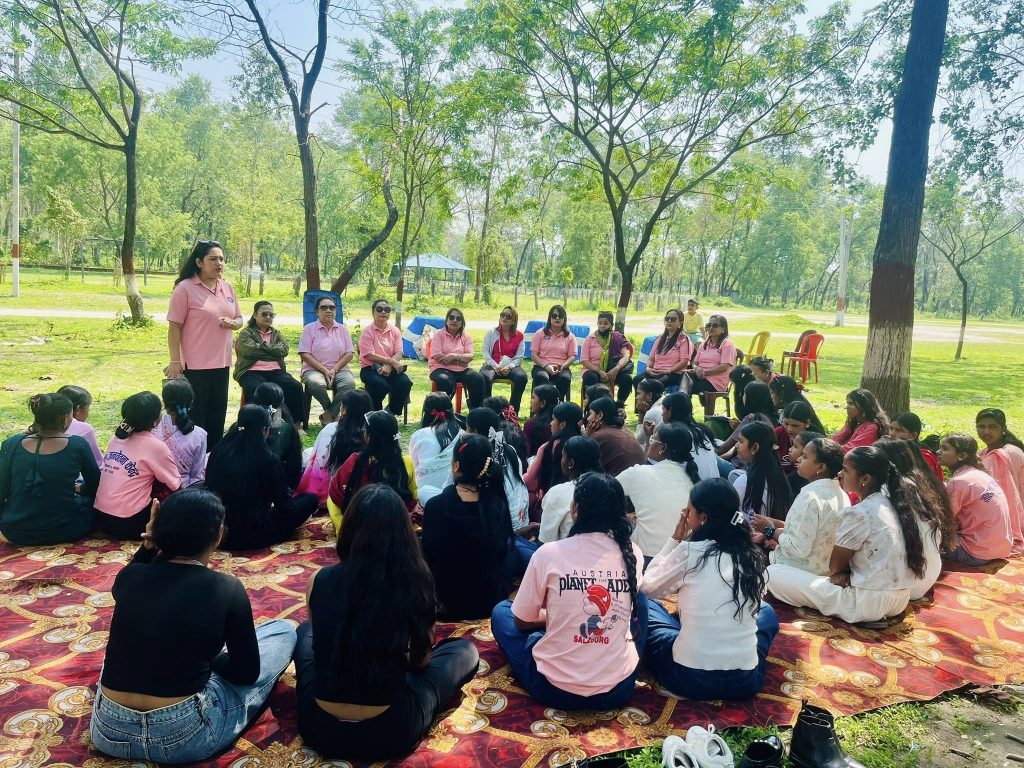
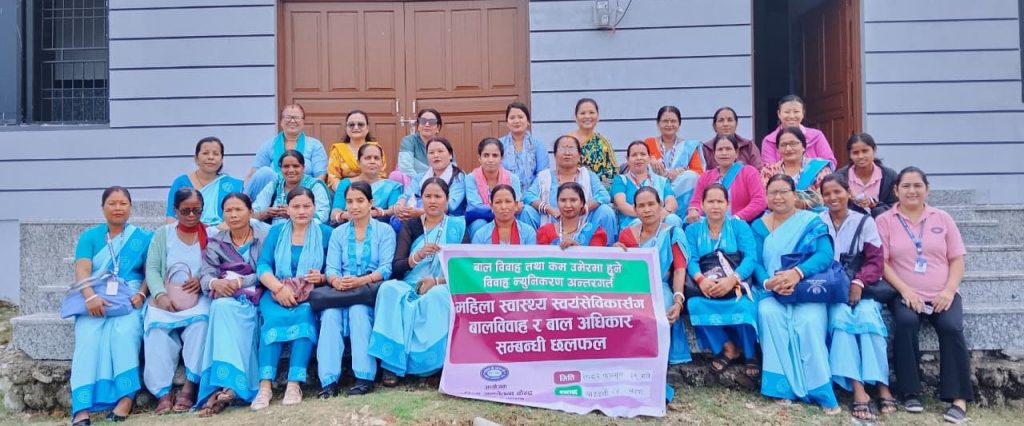
Mahila Janachetana Kendra (MJK) is implementing a comprehensive Menstrual Hygiene and Reusable Sanitary Pad Awareness Program across the Jhapa district. Supported by Tewa Nepal through its Base Grant for the fiscal year 2080/81, this initiative aims to break the silence surrounding menstruation and provide women and adolescent girls with sustainable solutions for menstrual management.
The project integrates essential health education with practical vocational skill-building. A key highlight of the program involved training 18 women and girls from Mechinagar Municipality, Barhadashi Rural Municipality, and Kachankawal Rural Municipality in the professional production of reusable pads. With the technical support of Freedom Kit Bags, participants gained hands-on expertise, producing high-quality cloth pads during the sessions. These locally-made solutions, combined with health awareness support, were distributed across 15 wards, significantly expanding access to safe and dignified hygiene solutions within the community.

The Context
In many rural and semi-urban parts of the Koshi Province, menstruation remains shrouded in stigma, leading to unsafe practices. MJK identified several critical barriers:
Health Risks: The use of unhygienic materials due to lack of awareness or resources leads to preventable reproductive health infections.
Economic Strain: The recurring cost of disposable pads is a major financial burden for low-income families in Jhapa.
Environmental Impact: Disposable plastic pads contribute to significant local waste management challenges.
Access Gaps: Many adolescent girls miss school or work due to the lack of reliable and affordable menstrual products.
Project Objectives
Hygiene Education: To educate women and girls on biological facts and safe menstrual hygiene management (MHM) to improve long-term health outcomes.
Practical Skill Acquisition: To equip 18 selected participants with the technical skills to manufacture cost-effective, eco-friendly reusable cloth pads.
Community Distribution: To provide safe menstrual solutions to 15 different wards, ensuring that the most vulnerable populations are reached.
Sustainability & Self-Reliance: To reduce dependency on expensive commercial products by fostering local production capabilities.
Breaking Taboos: To create a community dialogue that challenges the myths and social restrictions associated with menstruation.
Partners & Affiliations
This project is a collaborative effort reflecting MJK's role in national and international networks:
Funding Partner: Tewa Nepal
Implementing Agency: Mahila Janachetana Kendra (MJK)
Coordination Partners: Local Municipal Government Bodies
Target Group: Adolescent Girls and Women of Jhapa District